Nov 19 2026
I Saw I Can See Everything
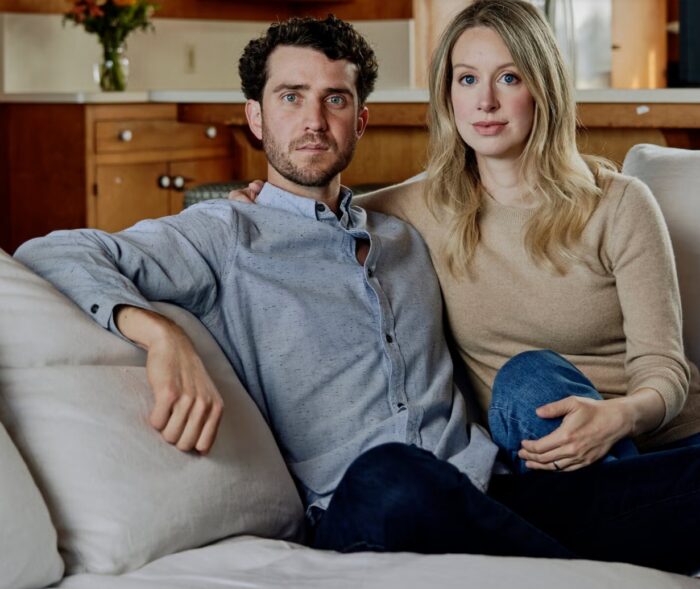 I first wrote about Elizabeth Holmes and Theranos in 2016, right when the story broke of the potential fraud happening at that company. At that time there was still a bit of a controversy as to what, exactly, was going on, and to what extent were the claims being made by Holmes plausible or true. But the tide had turned, her company was rapidly evaporating, and Holmes was quickly transforming from a media and Silicon Valley darling into a con-artist villain. The story essentially became – how did she fool so many rich, powerful, and allegedly savvy people (mostly men)?
Holmes maintains that her technology works and that she was unfairly targeted. Still, I was surprised when I read that she and her new boyfriend were planning on continuing the work of Theranos, even raising money for their venture. As part of her conviction, she is banned from running a company for 10 years. But she has a new partner who can be the CEO for her.
I found it incredible that anyone could trust her after being convicted for fraud, but I know that human gullibility can be bottomless. For these reasons I was fascinated by the new documentary about Holmes (I Can See Everything), following her for the months leading up to her incarceration and for a couple of years afterward. The central question of the film is to what extent is Holmes innocently self-deluded vs a diabolical manipulator? One of the arguments for her innocence is that she is, as she claims, incapable of deception, that she is on the neurodiversity spectrum and as such can make statements that are literally but narrowly true and miss how deceptive they can be. The second argument is that she is young and naive and is easily manipulated by controlling men. In this way she is playing the part of Peter Sellers in the movie Being There.
The counter argument is that she portrays herself this way, but it is all just part of the con. She knows exactly what she is doing. She was directly involved in deliberate deception of investors, and managed to create a multi-billion dollar company out of vaporware. The “helpless damsel” routine is much more plausible as a manipulating strategy than a reality.
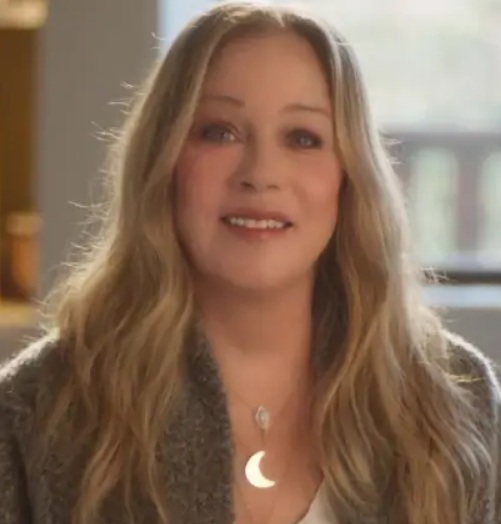 Christina Applegate, an American actress, has been an outspoken
 Understanding, at a deep level, the differences between legitimate science and pseudoscience is increasingly critical in our modern world. Science, in my opinion, is perhaps the most powerful tool humans have collectively developed for understanding the universe in which we find ourselves. (I would clarify that it is complementary with philosophy which is important to ensure that we are thinking clearly, rigorously, and consistently.) Pseudoscience pretends to be scientific but is essentially doing it wrong. There are many underlying reasons for the existence of pseudoscience – it is sometimes just poor quality science due to poor training or sloppy technique, it may result from a motivation to achieve a desired result rather than letting the empirical chips fall where they may, researchers may not appreciate their own biases, or it may be part of a dedicated campaign motivated by profit, politics, ideology, religion, culture, or just wishful thinking.
 Dozens of people have e-mailed me about a
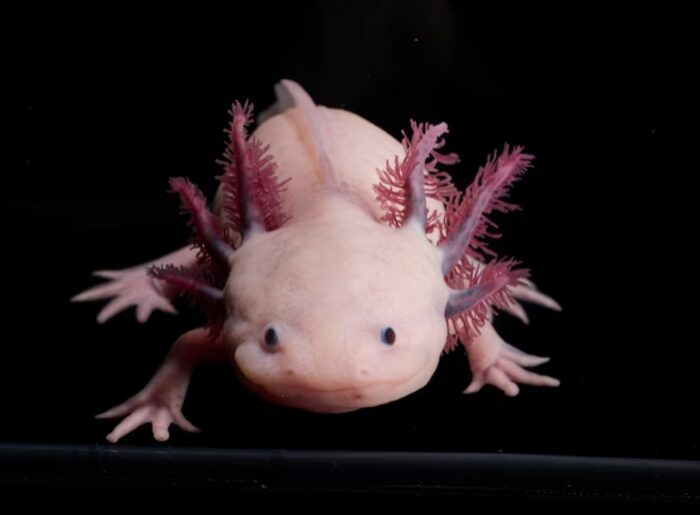 Regeneration is one of the futuristic tropes of science-fiction, because it is both incredibly powerful and not theoretically impossible. Imagine the ability to regrow a lost limb, or simply to replace a diseased or worn out limb. There are about a million limb amputations worldwide every year, so it is a very common medical problem. What if we could regenerate organs? This would be a game-changer for medicine.
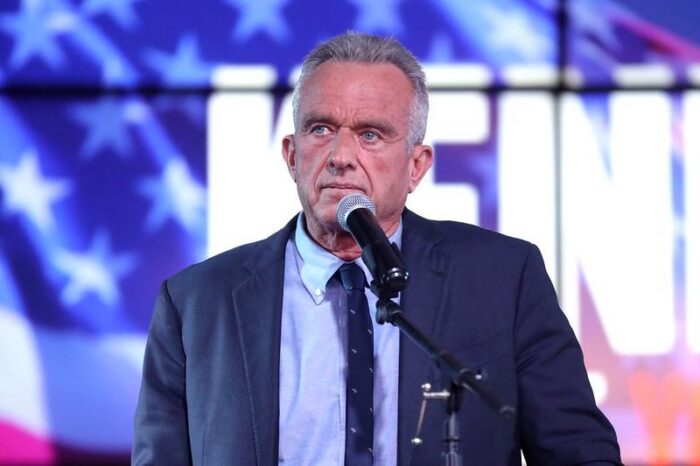 This is a tiny ray of light in what has been a gloomy year for science-based federal health policy. Recently U.S. District Court Judge Brian Murphy in Boston
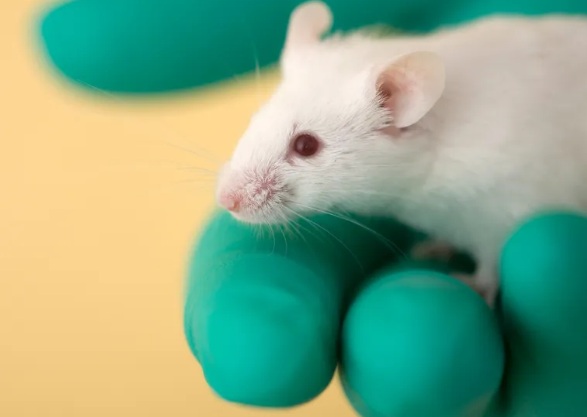 The news is abuzz with talk of a