Feb 27 2023
A Climate Debate Regarding Health Effects – Part I
This is the first entry in an exchange between me and Scott Hastings, who requested the exchange. This is his opening arguments. My response will be tomorrow’s post.
Part I:
Hi Steven, first of all, I am tremendously grateful to you for taking time to engage with me on this very important topic. Thank you.
I’d like to start by sharing just a few media articles I found that are now over 3 years old:
New York Times: November 13, 2019 “Climate Change Poses Threats to Children’s Health Worldwide”
ABC News Australia: November 5, 2019 “11,000 scientists declare climate emergency warning world faces catastrophic threat”
CNN: November 12, 2019 “The climate crisis will profoundly affect the health of every child alive today,”
Wired: November 13, 2019 “How the Climate Crisis Is Killing Us, in 9 Alarming Charts, A new report from over 100 experts paints a devastating picture of how climate change is already imperiling human health.”
We are both physicians, so I don’t want to leave out the American Medical Association statement on climate change.
I think you get the point…We are daily inundated with a “climate emergency” just around the corner. It also seems that all the experts (at least 97% anyway) are in some general agreement about the “devastating catastrophe” lurking somewhere out there. However, the official IPCC-5 report seems to be a whole lot less confident than the headlines mentioned above.
My aim is to take exact verbiage from IPCC-5, then apply the most up to date scientific literature available to cross-check their stated claims. Since I’m a physician, I am specifically interested in health outcomes as a result of climate change. I am looking at global health trends (since this is a global phenomena), as well as trends in global natural events like floods, fires, and hurricanes as these obviously contribute to health outcomes. It’s simple really, in our world of experts, nobody needs to be an expert at opening the newspaper the morning after the superbowl to see who won the game. In this case, the “newspaper” is going to be scientific research literature based on global observational trends from generally that was published in the past 6 years. What I will not include is modeling studies. That’s like trying to predict who is going to win the superbowl. I’m not interested in that. Just real-world objective observations found on google scholar or pubmed. I’m only interested in who won the superbowl, not in some supposed “superbowl prediction expert”.
Are you ready? Continue Reading »
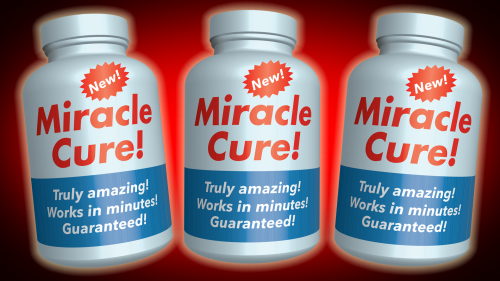 Some ideas never seem to die. There is something compelling about the narrative, perhaps because it fills some explanatory need. One of those narratives is that “they” have “the cure” to cancer but are keeping it hidden from the public in order to protect the profits that result from cancer treatment. I recently received the following e-mail (partly redacted):
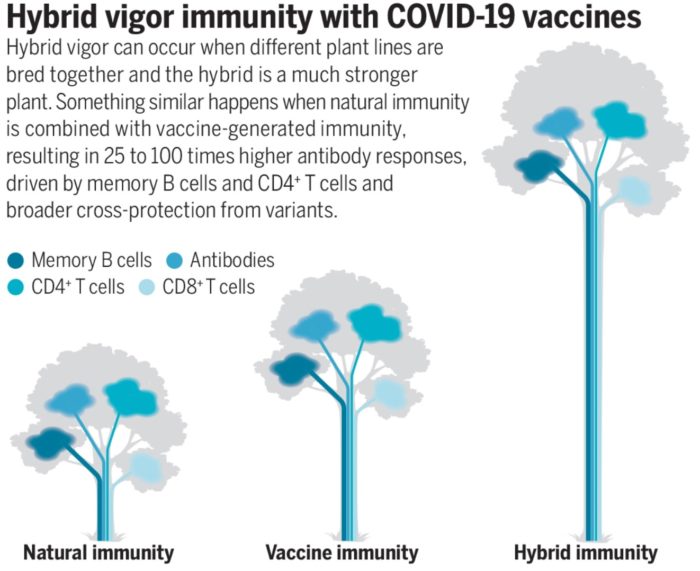 As many experts predicted, the COVID-19 pandemic is slowly sliding into an endemic infection. A pandemic is essentially when an epidemic goes worldwide. Endemic means that an infection is here to stay. It is no longer considered an “outbreak” but is constantly spreading around a population without having to be introduced. The flu, for example, is endemic, although it is also seasonal. Measles was endemic in the US, but then was eliminated through vaccination and was reduced to isolated outbreaks. However, it is transitioning to being endemic again because of vaccine hesitancy.
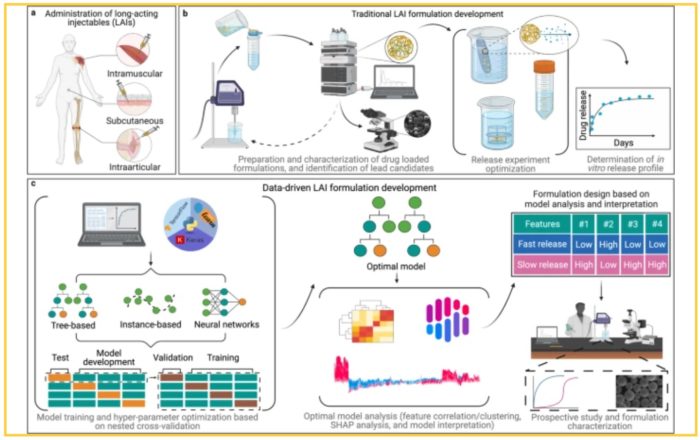 As a science communicator with a skeptical brand, I often have to walk a fine line. New scientific and technological developments can be amazing, but they are often surrounded by hype. I want to encourage enthusiasm for science, and I want to share the amazement and joy I experience following the latest discoveries. But it is very important to separate hype from reality, to temper our enthusiasm with realism, and to not get ahead of the science. It can be a very narrowly calibrated sweet-spot, one I have to consciously pay attention to.
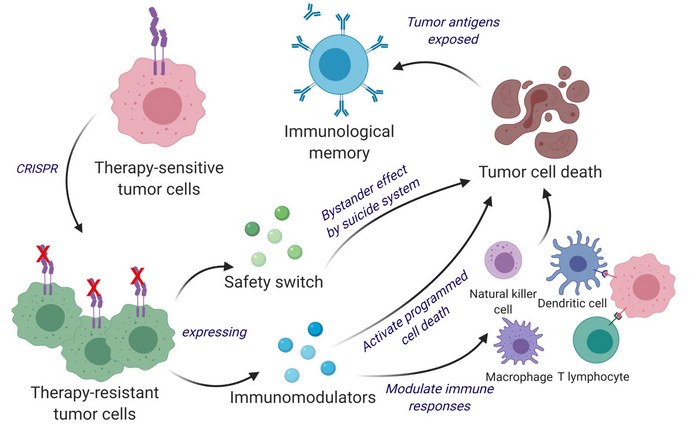 We are living in the future, at least the future I imagined 30 years ago when I was beginning my medical career. At the time I learned about a lot of new technologies that were only in the proof-of-concept or research phase, but there was a lot of enthusiasm about their potential. As often happens, translating those technologies into therapeutics took longer than we hoped, but now that they are hitting they are more powerful than we dreamed.
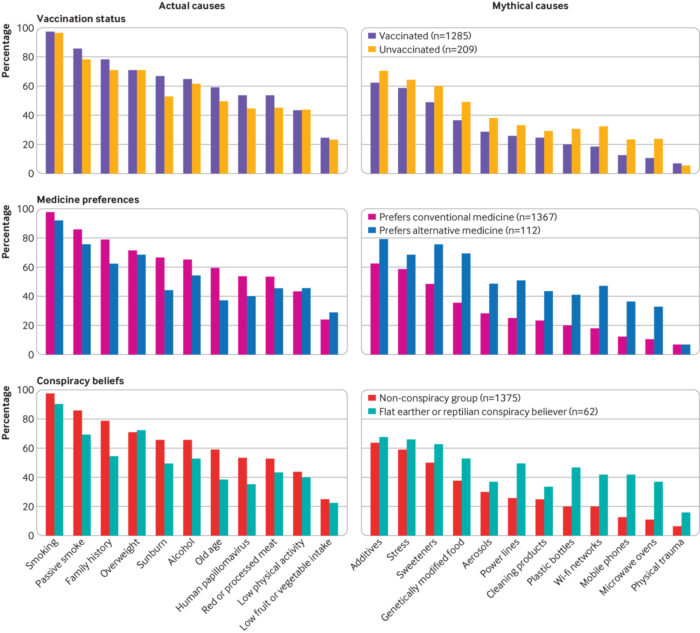 What are the known factors that increase the risk of getting cancer? Most people know about smoking, but can probably only guess at other factors, and are likely to endorse things that do not contribute to cancer risk. The
 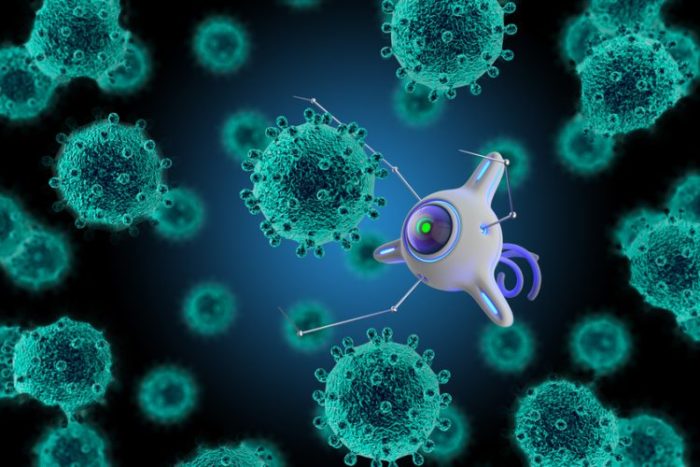 Imagine injecting microscopic robots into a patient that then can be guided to a specific location in the body where they deliver drugs or stem cells for therapy. This technology is actually not far off. Researchers have been developing multiple types of tiny medical robots, and some have been used successfully in animals.
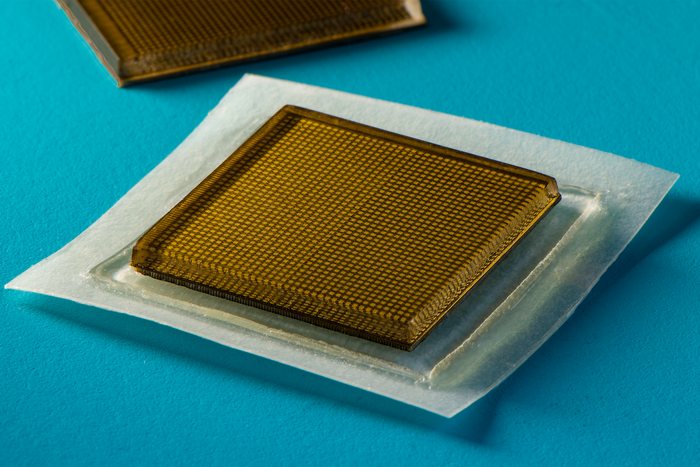 It’s easy to take for granted today the revolution in non-invasive medicine over the last century. Prior to the 20th century there was no blood testing to monitor health or diagnose disease. The
 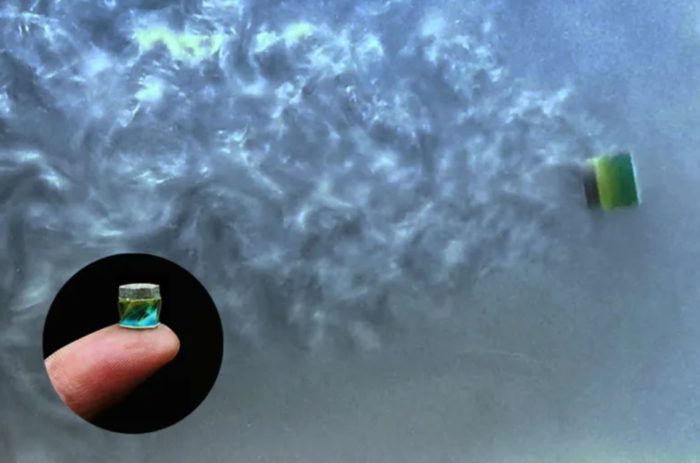 It is a frustrating reality that much of the cool technology we read about today will not be ready for widespread use for another 20-30 years. And of course not all such technology will pan out – but even when there is a high confidence level that they will, it will likely be decades before they change our lives. The cool technology I read about in popular science magazines in the 1980s didn’t really hit until the 2000s, and the advanced medical technology I learned about in medical school in the early 1990s didn’t mature until recently. So keep that in mind as I discuss