Jun 30 2026
Why Do So Many Things Suck?
 I recently installed a new printer on my system. Now, before you have an “OK, Boomer” knee-jerk reaction – I am a fairly tech-savvy user. I am not an IT professional, but have used computers literally since the 1970s and have kept up with the tech enough to be a confident user. I was therefore frustrated when the experience was…less than enjoyable. I was lured into installing the printer via the app. I falsely assumed that such apps serve the same function that “wizards” (remember those) did in the past, walking you effortlessly through the installation process. I also have had the experience of just plugging a printer into a USB port and having it automatically be recognized, installed, and then function just fine.
It’s been a while since I needed a new printer (I don’t use them much anymore, but I do occasionally need to print something), so I was surprised and frustrated at how long and complicated the process was. I felt I was entering in the same information multiple times, looking up numbers, following QR codes, and answering ambiguous questions. I got it to work, but it took up a far bigger chunk of my life and my mental resources than I was happy with. I later learned that the app is not there to make my life easier, but to lock me in as a customer to upsell me more stuff.
This is not an isolated incident. Again – I am trying really hard not to become an old curmudgeon. I am trying to be objective. But I do think that as one gets older, you can more easily see patterns, and your tolerance for recurrent incompetence and stupidity fades away. As a computer user, I lived through the early years of IRQ settings, manually installing drivers, and compatibility nightmares. But I was a somewhat early adopter and I pushed the limit with upgrades, so I put up with it. Then the industry evolved, with helpful wizards, then plug-and-play, then universal connectors. I did not fully realize, however, that we were past peak-convenience. It’s still much better than in the early days, and you can still have a good user experience, but there seems to be increasing unnecessary complexity, bloatware, and simply horrible user interfaces. I am constantly fending off attempts at sending me push notifications, gathering my data, solicitation for in-app purchases, and intrusive ads. Forget about spam and scams, which are a daily nuisance. Yeah, I know there are ways to handle such things – but that is still my point. It’s all on me, and it’s a constantly evolving landscape.
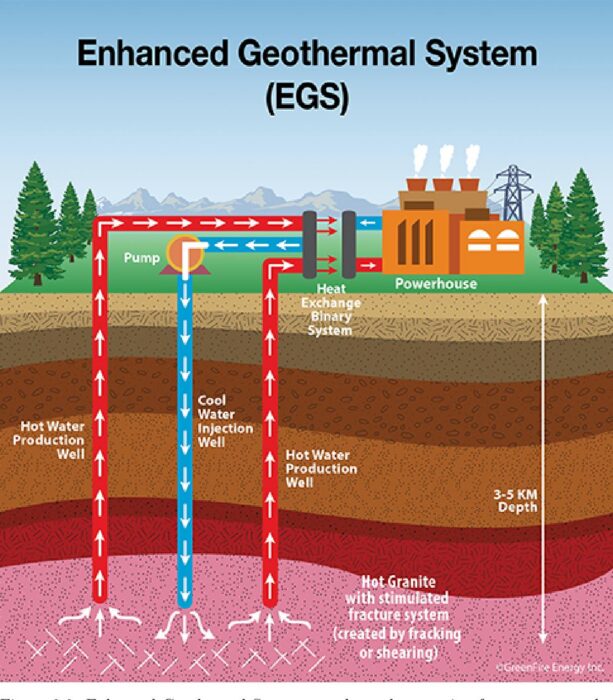 I have been seeing a lot of news about geothermal energy recently. This is partly because of the
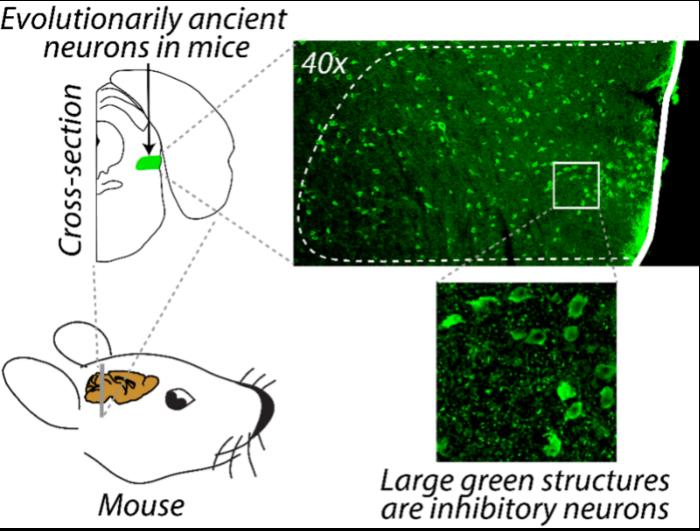 How much attention do you pay to…well, attention? Attention is one of those many brain functions that you don’t notice or think about when it is working fine, but can become debilitating if it is impaired in any way, and we notice when it is stressed to the point of failure. Otherwise we don’t have much reason to contemplate the incredibly demanding and complex neurological process of managing attention. Recently neuroscientists have added
 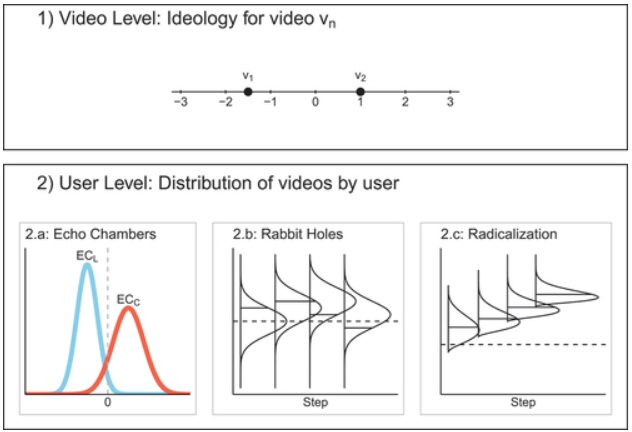 To what extent do social media algorithms, and YouTube’s specifically, contribute to user’s views becoming more extreme and even radicalizing? That’s a complicated question, but researchers tried to tackle it and have
  In medical education we have a concept called longitudinal care – interns and residents need to follow a case through to its conclusion, or at least long term, so that can learn the entire process. This is why on-call work hours used to be so horrifically long (up to 36 hours), to allow doctors in training to follow an acute case to see the effects of the decisions they make. Training also includes continuity clinics where residents can follow the same patients for months or even years.
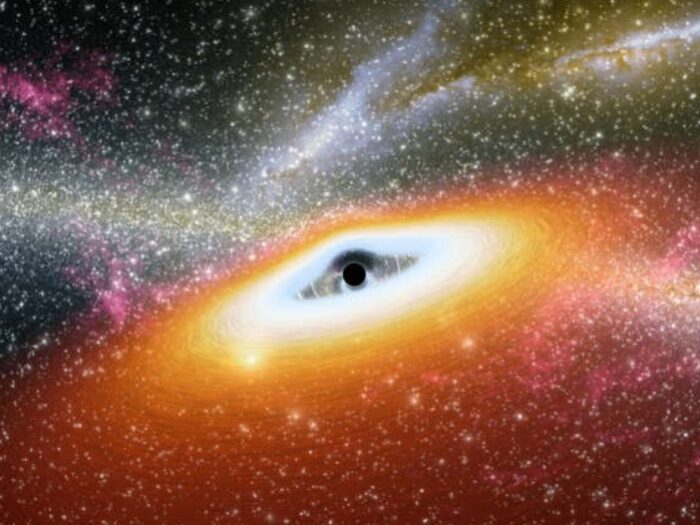 My mental map of the universe has evolved over my life, partly due to new scientific discoveries and partly due to my own education. As if often the case, as you learn more, things get more complicated. The simplistic picture I had as a child was that the universe consisted of many galaxies in which there are many stars and around which there are planets, likely something similar to our own solar system. I have had to modify this model dozens of times, and perhaps I need to make another little tweak. This has to do with where planets exist.
 In Isaac Asimov’s