Jul 17 2023
Using Genetic Engineering To Fight Malaria
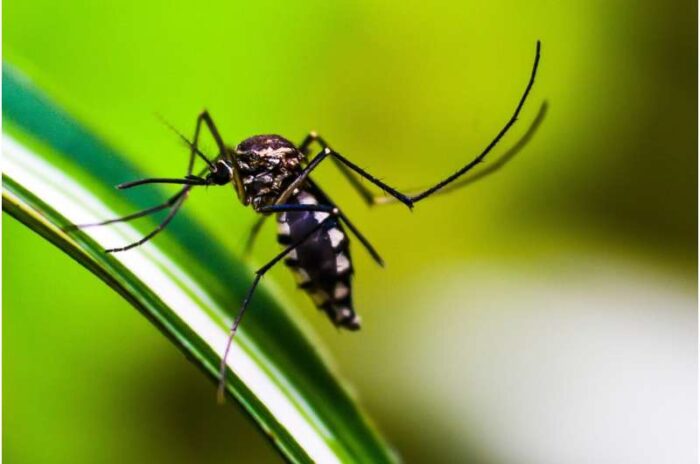 Despite robust efforts to fight it, malaria remains one of the most significant infectious diseases affecting humans. According to UNICEF – ” In 2021, there were 247 million malaria cases globally that led to 619,000 deaths in total. Of these deaths, 77 per cent were children under 5 years of age.” Efforts to minimize malaria cost about $7 billion per year, through vaccination, drug therapy, and spraying pesticides to kill the mosquitos that carry the disease. Mosquito populations are developing resistance to the pesticides, however, which could raise the costs of control, while available funds can fluctuate.
One potential solution is using genetic engineering to fight malaria, and there are several approaches being developed that are close to being ready for deployment. They all use an approach known as a gene drive, which causes a desired trait to spread more quickly through a population than regular Mendelian genetics would allow. This idea is actually 60 years old, but newer techniques, such as CRISPR, are making it much easier and more powerful.
With sexual reproduction, each offspring has two sets of chromosomes, one from each parent. So organisms have two copies of each gene (each copy is called an allele). They then pass one of their two copies onto each offspring. Mendelian genetics assumes that there is a 50% chance for each allele to be inherited, and this is mostly true. The gene drive phenomenon refers to situations in which one allele has an advantage over the other, so it is more likely to be inherited. There are naturally occurring gene drives, but we’re going to focus on the latest synthetic gene drive, which involves CRISPR.

 Some ideas never seem to die. There is something compelling about the narrative, perhaps because it fills some explanatory need. One of those narratives is that “they” have “the cure” to cancer but are keeping it hidden from the public in order to protect the profits that result from cancer treatment. I recently received the following e-mail (partly redacted):
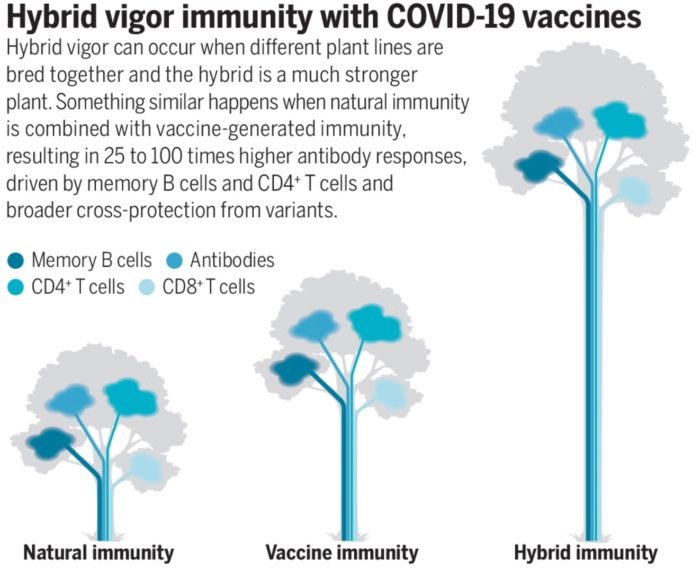 As many experts predicted, the COVID-19 pandemic is slowly sliding into an endemic infection. A pandemic is essentially when an epidemic goes worldwide. Endemic means that an infection is here to stay. It is no longer considered an “outbreak” but is constantly spreading around a population without having to be introduced. The flu, for example, is endemic, although it is also seasonal. Measles was endemic in the US, but then was eliminated through vaccination and was reduced to isolated outbreaks. However, it is transitioning to being endemic again because of vaccine hesitancy.

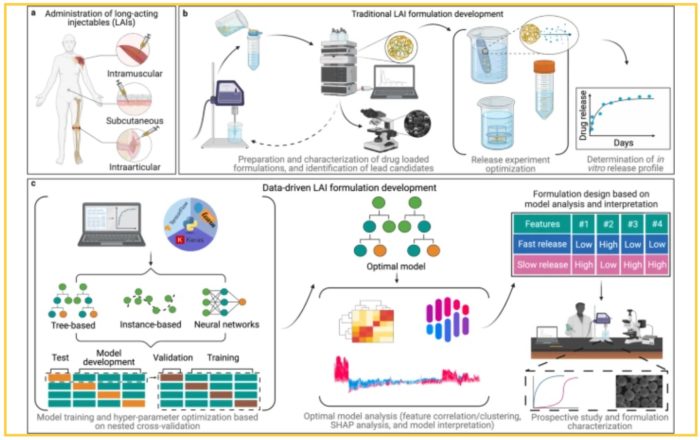 As a science communicator with a skeptical brand, I often have to walk a fine line. New scientific and technological developments can be amazing, but they are often surrounded by hype. I want to encourage enthusiasm for science, and I want to share the amazement and joy I experience following the latest discoveries. But it is very important to separate hype from reality, to temper our enthusiasm with realism, and to not get ahead of the science. It can be a very narrowly calibrated sweet-spot, one I have to consciously pay attention to.
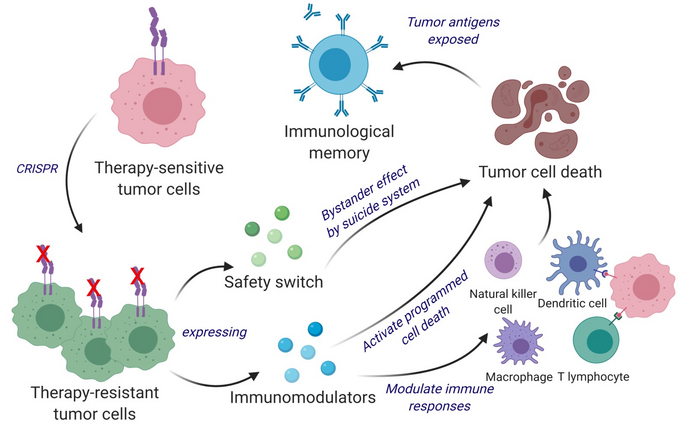 We are living in the future, at least the future I imagined 30 years ago when I was beginning my medical career. At the time I learned about a lot of new technologies that were only in the proof-of-concept or research phase, but there was a lot of enthusiasm about their potential. As often happens, translating those technologies into therapeutics took longer than we hoped, but now that they are hitting they are more powerful than we dreamed.