Nov 03 2025
Nanotyrannus Controversy Solved
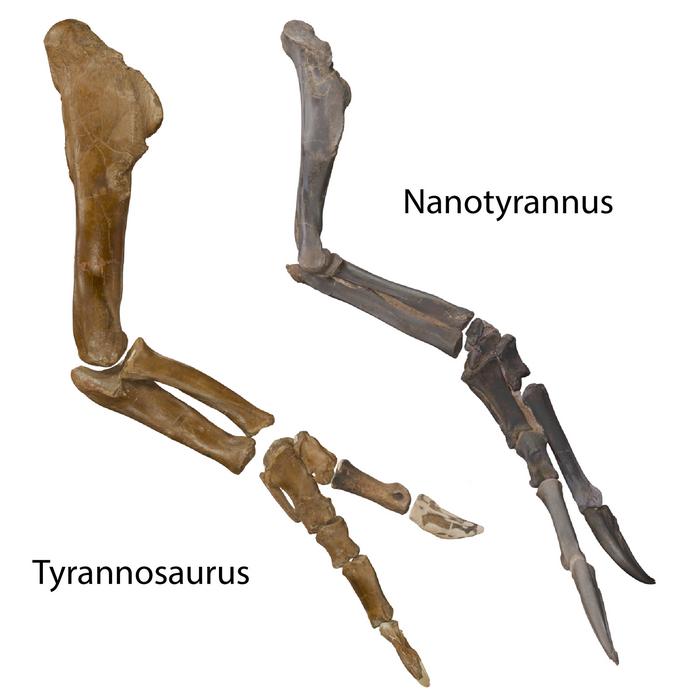 One of the things I like about following paleontology news is that new evidence can just be discovered, and sometimes these new pieces to the puzzle can significantly change what we think about past life. One such controversy I have been following for a while is whether or not small specimens of Tyrannosaurus rex-like dinosaurs represent juvenile T-rexes or a separate smaller species of theropod dinosaur. A new analysis of a nearly complete Nanotyrannus specimen has definitively resolved the debate – Nanotyrannus was a separate genus.
There are several layers of context that make this story more interesting. First, why was it so difficult to determine if different specimens were the same genus or not? This is not just due to having incomplete specimens – even with complete specimens, this can sometimes be tricky. Will all unknown species paleontologists need to determine if morphological differences are just within-species variation, different growth stages, or even male-female differences. Are we looking at two different species or genera, or a male and female of the same species?
This can be particularly difficult with dinosaurs, because many dinosaur species grow very large over a long period of time. Further, they can undergo significant morphological change as they grow. Another similar controversy, for example, was between Triceratops and Taurasaurus, the latter being larger and with a slightly different frill. It was considered plausible that Taurasaurus specimens were just older Triceratops, and therefore bigger and with age-related changes to the frill. With further specimens and analysis it is now considered that Taurasaurus is its own genus within the family Ceratopsidae.
 I would not be surprised if the period of time roughly between 2000 and 2050 looms large in the collective mind of humanity for centuries to come – and not in a good way. It is increasingly seeming like our behavior during this period is locking in a certain about of climate change, including sea level rises and loss of ice sheets, for centuries. Some climate changes are likely to be irreversible on human time scales.
 Batteries are an increasingly important technology to our civilization. If I could wave a magic wand and make one specific non-medical technology advance 10-20 years in a day, it would be battery technology. Batteries are used in our everyday devices, like phones and laptops. They are the single most critical factor to EVs, and they can provide grid storage which can make the adoption of low carbon energy much easier. Fortunately, battery technology is heavily researched and has been steadily increasing for the last few decades. We are now benefiting from this slow but cumulative improvement.
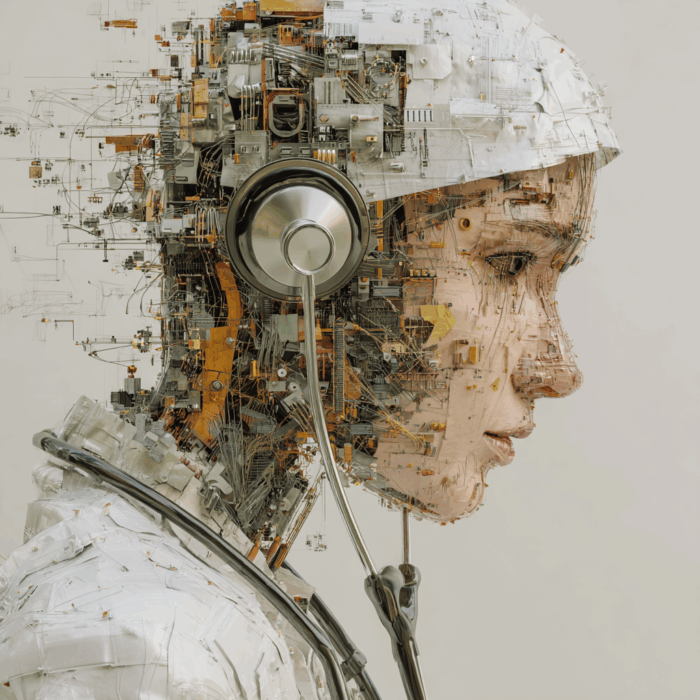 Large language models, like Chat GPT, have a known sycophancy problem. What this means is that they are designed to be helpful, and to prioritize being helpful over other priorities, like being accurate. I tried to find out why this is the case, and it seems it is because they use Reinforcement Learning from Human Feedback (RLHF) – the ostensible purpose of this was to make their answers relevant and helpful to the people using them. It turns out, giving people exactly what they want does not always create the optimal result. Sometimes it’s better to give people what they need, rather than what they want (every parent knows or should know this).
 I attended a Ren Faire this past weekend, as I do most falls, and saw a forging demonstration. The cheeky blacksmith, staying in character the whole time, predicted that steel technology was so revolutionary and so useful that it would still be in wide use in the far future year of 2025. It is interesting to reflect on why, and to what extent, this is true. Once we figured out how to make steel both hard and strong it became difficult to beat it as an ideal material for many applications. SpaceX (a symbol of modern technology), in fact, builds its Starship rockets out of stainless steel.
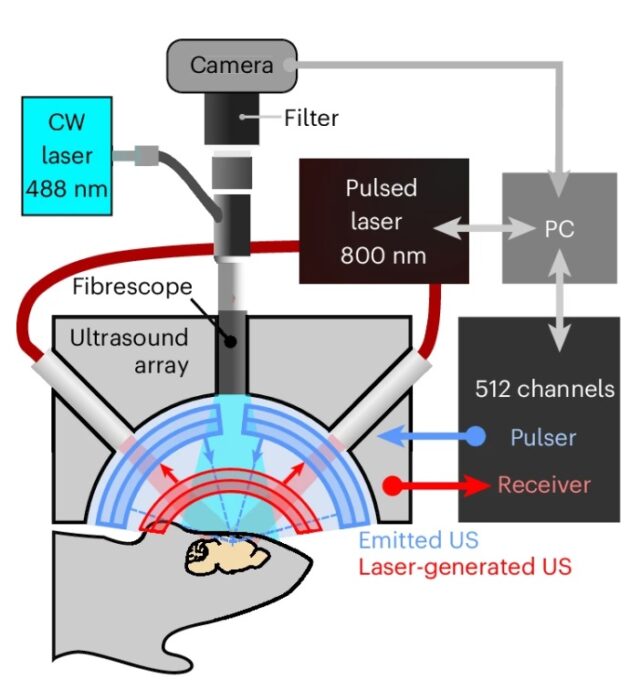 The technique is called
 We are all familiar with the notion of “being on autopilot” – the tendency to initiate and even execute behaviors out of pure habit rather than conscious decision-making. When I shower in the morning I go through roughly the identical sequence of behaviors, while my mind is mostly elsewhere. If I am driving to a familiar location the word “autopilot” seems especially apt, as I can execute the drive with little thought. Of course, sometimes this leads me to taking my most common route by habit even when I intend to go somewhere else. You can, of course, override the habit through conscious effort.
 Yesterday, Trump and RFK Jr had a press conference which some are characterizing as the absolutely
 Quantum computers are a significant challenge for science communicators for a few reasons. One, of course, is that they involve quantum mechanics, which is not intuitive. It’s also difficult to understand why they represent a potential benefit for computing. But even with those technical challenges aside – I find it tricky to strike the optimal balance of optimism and skepticism. How likely are quantum computers, anyway. How much of what we hear is just hype? (There is a similar challenge with discussing AI.)
 This is not really anything new, but it is taking on a new scope. The WSJ recently wrote about