Oct 27 2020
Water on the Moon
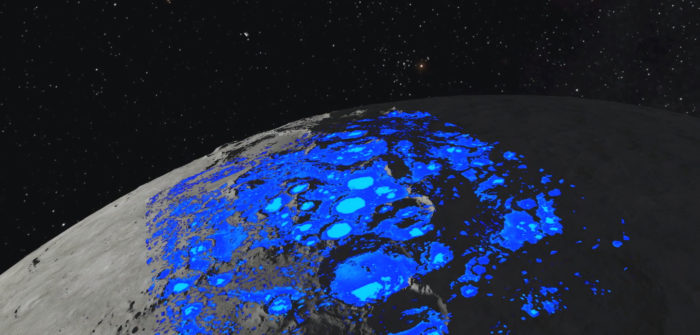 A new paper published in Nature Astronomy presents further evidence for significant water near the surface of the Moon. This is exciting news for the prospects of a lunar base, especially since NASA is planning on returning permanently to the Moon by 20204.
The Artemis program (Artemis is the twin sister of Apollo) plans to put the first woman and the next man on the lunar surface by 2024. Even if they don’t meet this ambitious timeframe, they will likely succeed sometime this decade. Unlike the “flags and footprint” mission design of Apollo, Artemis is designed for sustained exploration of the Moon. Artemis will use the space launch system, which will be the most powerful rocket in the world. In fact, the most powerful configuration of the SLS will be more powerful than the Saturn V rocket. This is because the SLS was designed no only to return to the Moon, but to be powerful enough to get to Mars, which is the ultimate goal.
On top of the SLS will be the Orion capsule, NASA’s deep space capsule. Orion can accommodate up to four astronauts, and is designed for multi-week missions. It will have exercise equipment, radiation shielding, and on board waste disposal. When they get to the Moon they will have a new lunar lander, currently in development. But unlike Apollo, NASA also plans on building the Gateway – a lunar orbiting platform for long term occupation and exploration of the Moon.
After the initial Artemis missions, NASA plans to create a basecamp near the south-pole of the Moon for long term occupation and exploration of the Moon. Why the south pole? In NASA-speak the poles, “may contain mission-enhancing volatiles.” In addition “These sites may also offer long-duration access to sunlight, direct-to-Earth communication, surface slope and roughness that will be less challenging for landers and astronauts.”
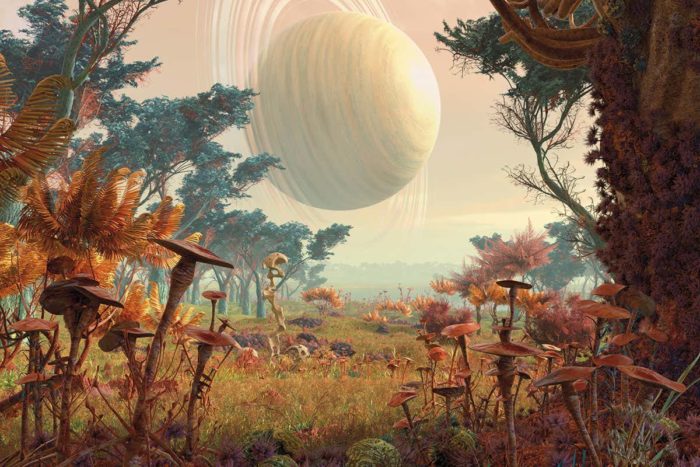 Earth is so far the only planet in the universe which we know contains life. There are many other worlds in our own solar system that may contain life (or did at one time), but none confirmed. Part of the goal of the exoplanet exploration program is to determine how many worlds out there are capable of supporting life. This requires that we come up with some specific definition of a habitable world, and it is only natural that we will model that definition after our one data point – the Earth. But perhaps Earth is not the pinnacle of habitability.
 I recently discussed the exciting news of the
  This is definitely the big news of the week –
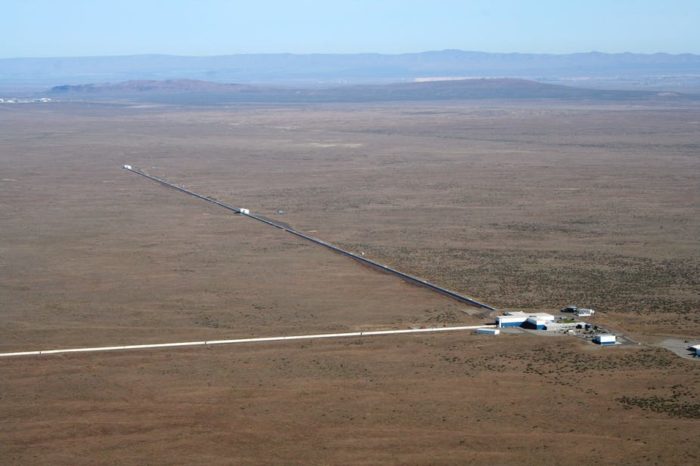 Of course “impossible” is a relative term here. What is happening is that our knowledge of black holes is greatly expanding because we have a new tool for observing them – gravitational wave detectors. In fact, gravitational wave astronomy is a new science, and we are still on the very steep part of the learning curve.
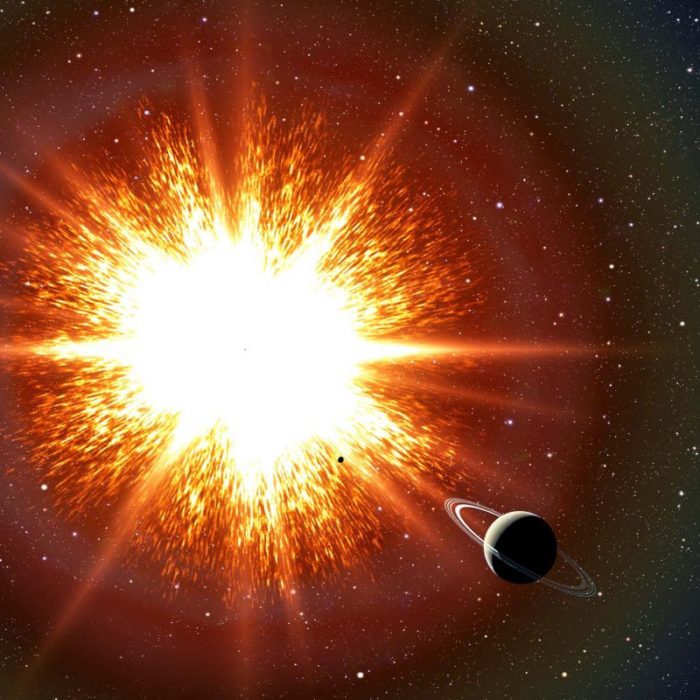 Over the history of life on Earth there have been many extinction events, but the
 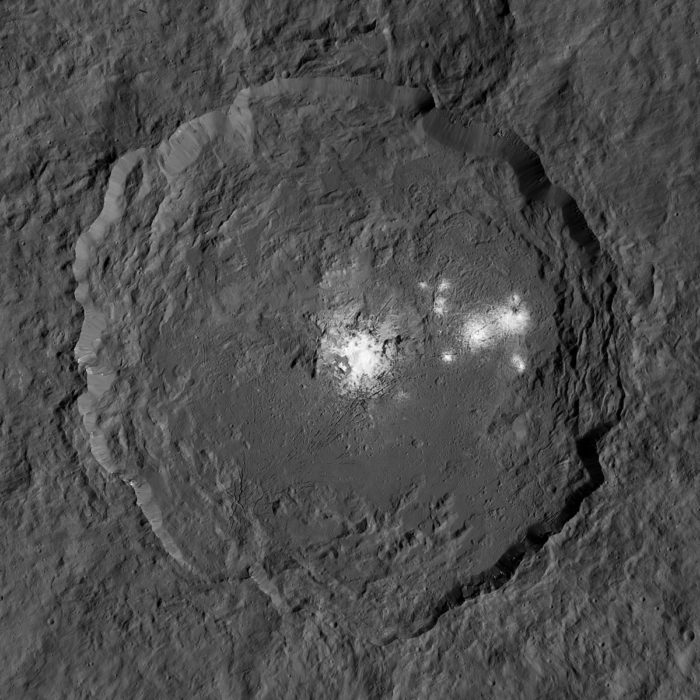 It seems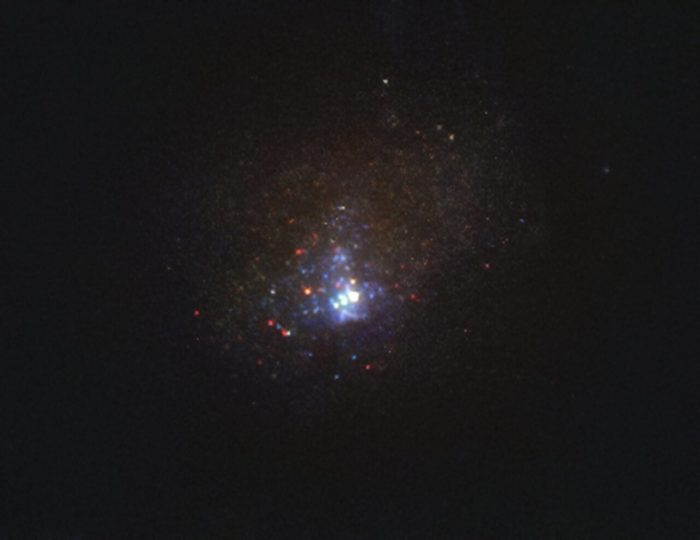
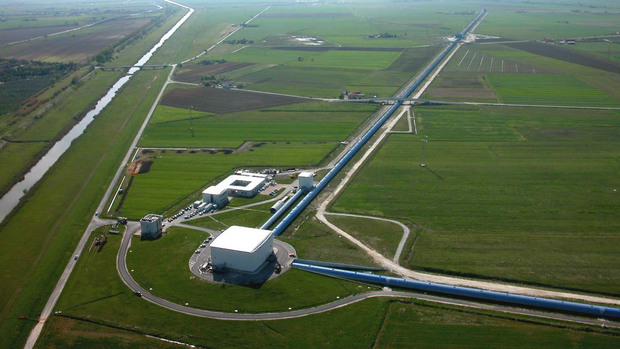 Trust me, this is cool. Astronomers have discovered a stellar remnant with 2.6 solar masses, which is within a range of mass called the “mass gap” because of the almost complete lack of such objects in that range. This is both an astronomy mystery (how do such objects form) and a physics mystery (what forces dominate at this size). Any new data points give us clues to solve the mystery of the mass gap, so this is exciting news.
 The headlines (taken from the press release) read: “