May 28 2021
New Dark Matter Map Mystery
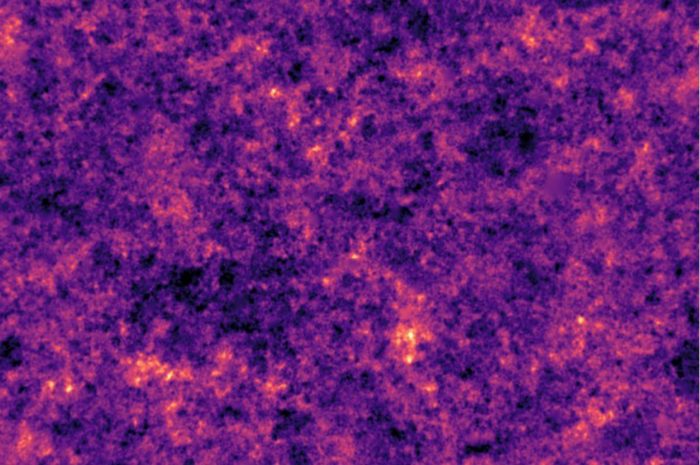 Scientists have published the most extensive map of dark matter in the universe to date, based on a survey of 100 million galaxies. The findings don’t quite match with predictions made by computer models, suggesting that there is some physics at work which scientists do not yet understand. This, of course, is exciting for physicists.
As I discussed previously, we don’t know what dark matter is, but we are pretty confident it’s there. Dark matter does not give off any radiation, but it does have gravity, so we can see its gravitational effects. Based on these observations it seems that 80% of the matter in the universe is dark matter. This is a major area of research, because we do not know what dark matter is made of. It is probably some new particle we have not identified so far. This is where scientists live – on the edge of our current knowledge, peering into the unknown.
Part of that “peering” is gathering lots of data, and that is what the current study does. They used gravitational lensing to map the gravity of the universe, 80% of which is dark matter. Visible galaxies and dark matter cluster together, creating an overall structure to the universe. There are vast black voids with nothing, and there are tendrils of matter with galaxies, gas, and stars. The goal is to map this distribution, to see where all the stuff in the universe is.
They then compared this map to what we would predict based on our current understanding of the laws of physics. They started with a map of where all the matter was 350,000 years after the Big Bang, which was created by examining the cosmic background radiation. Then they model where that matter should have gone over the last 13.8 billion years based upon relativity and other physical laws. The map and the model were off by a few percent. The universe is more evenly distributed than the models predict. This may not sound like a lot, but physicists are used to dealing with high levels of precision. Physical laws tend to be very reliable. This is why we can make calculations and send a probe to Pluto 5 billion km away, and arrive precisely where they predicted. If the New Horizons probe was off course by a few percent, that would have been a disaster, both for the mission and our understanding of the relevant laws of physics.
This is why physicists love discrepancies between predicted and observed phenomena, even tiny ones. It means something is going on we are not aware of. This could be an effect we have not considered, an error in their experimental design or method of observation, or occasionally a tweak to our understanding of the laws of physics. The first two need to be thoroughly ruled out before new physics can be confidently postulated, and it is an increasingly rare event, but that is what physicists live for.
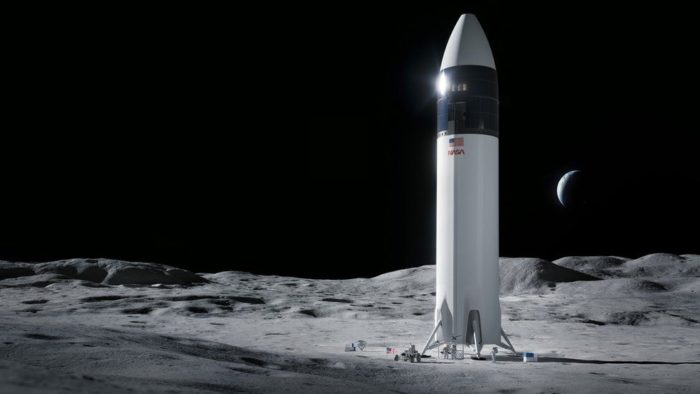 I’ve been watching For All Mankind – a very interesting series that imagines an alternate history in which the Soviets beat the US to landing on the Moon, triggering an extended space race that puts us decades ahead of where we are now. By the 1980s we had a permanent lunar base and a reusable lunar lander, not to mention spacecraft with nuclear engines. Meanwhile, back in reality, we are approaching 50 years since any human has stepped foot on the moon.
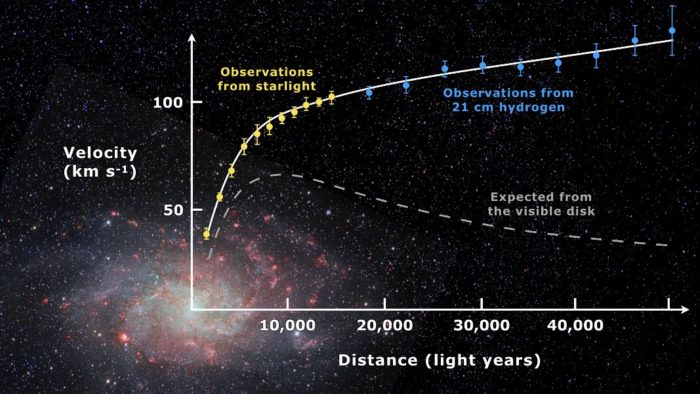 In the 1970s astronomer
 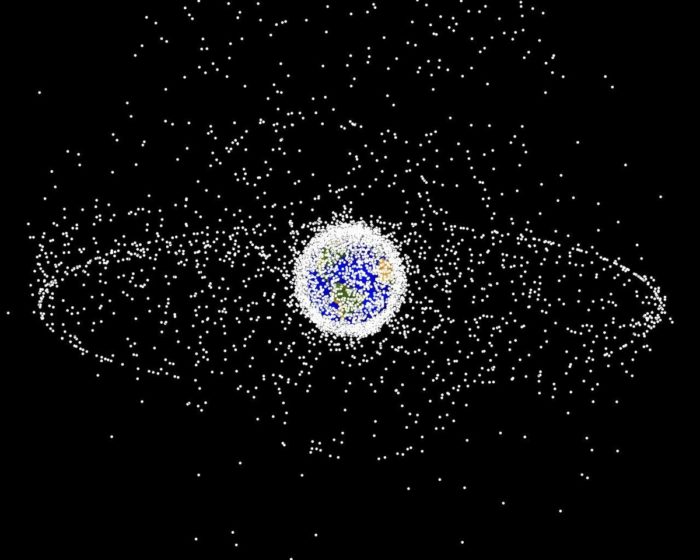 Right now there are about 3,000 active satellites in Earth orbit. About 1,000 of those satellites
  In 2017 astronomers spotted a very unusual object approaching Earth. What was most unusual about it was that it was on a trajectory that would take it out of the solar system. Given its path it could only have come from outside the solar system – our first ever discovered extrasolar visitor,
 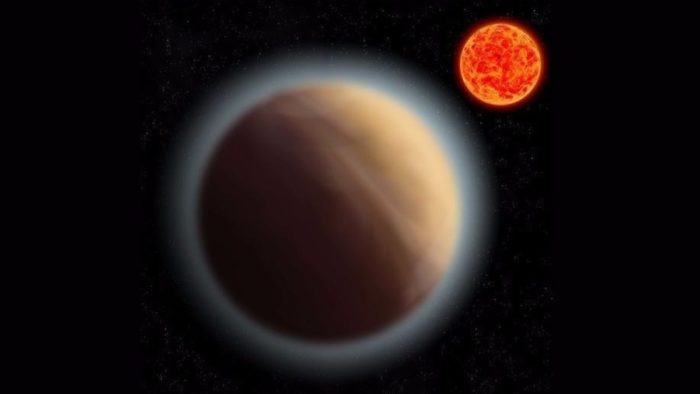 The discovery and exploration of exoplanets over the last three decades has been an exciting addition to astronomy. In 1990 we knew of no planets outside our solar system, and now there are
 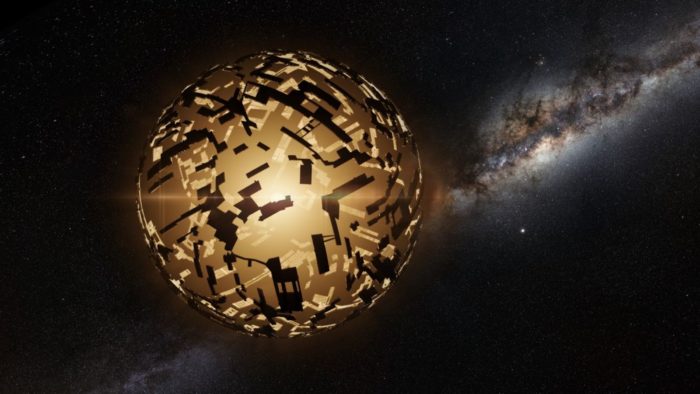 Recently experts gathered online for a digital conference in which they discussed possibilities for detecting signs of alien technological civilizations – so called “technosignatures”. Being an enthusiast, I have heard of many of these before, but there were a lot of new ideas coming out of that meeting as well.
 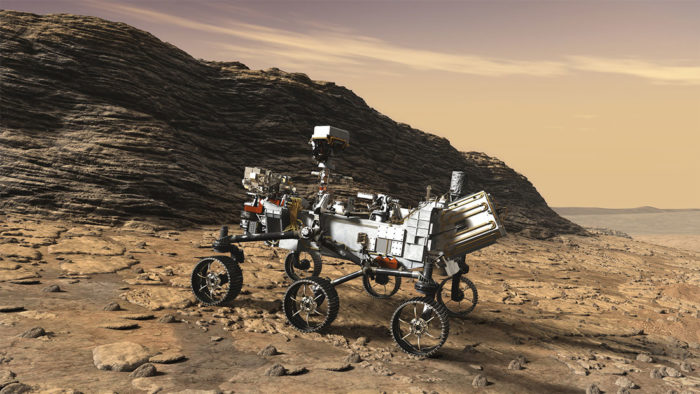 The landing is the tricky part.
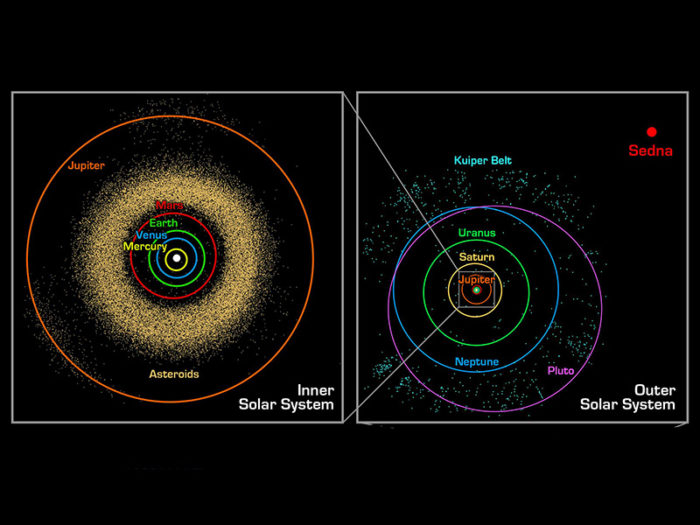 Like many things in the universe, the complexity of reality defies our attempts at simple categorization or clean demarcation lines. One humorous example sometimes offered – is a taco a sandwich? But there are many serious challenges in categorization: What is a planet? There are reptiles that give birth to live young and two mammals that lay eggs. Disease classification in medicine is often a mess of blurry lines and statistical probabilities.
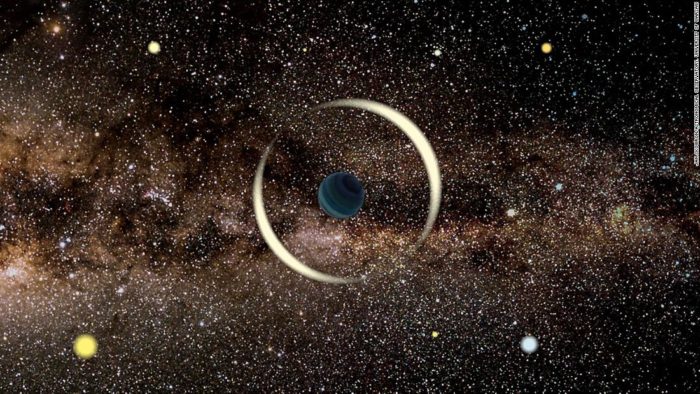 I like to keep my mental model of the universe updated as much as possible. One of the things I learned not too long ago about the universe is the frequency of “rogue” planets. These are planets that are not bound to any star. The dominant current theory is that most of these rogue planets formed in stellar discs just like bound planets but then at some point in their history interacted with another large body and were flung out of their stellar system. In fact, most planets that form in a stellar system may have unstable orbits that will doom them over the cosmological short term to either collide with another body, fall into their parent star, or get flung out of the system. Only those planets with stable orbits remain, and so eventually systems will settle down with a relatively few planets in stable orbits.