Feb 28 2023
A Climate Debate Regarding Health Effects – Part II
Yesterday’s post was the first in an exchange about the effects of climate change on public health. Today’s post is my response.
Part II
Climate change is a critically important topic for society today, and it’s important that the public have a working knowledge of the facts, causes, effects, and potential interventions regarding climate change, so I am always happy to discuss the topic. Unfortunately, it’s a very complex topic that has been highly politicized and polarized. The science often becomes wrapped up in ideology – the best indication of this is that one’s political affiliation is the strongest predictor of the public’s opinions regarding climate change. The media, as they do in general, is happy to sensationalize the topic and often does not provide good context or background. Scientists have gotten better communicating about climate change, but not enough to override political affiliation.
My sense is the core issue is that the complexity of climate change allows everyone to cherry pick those details that fit their narrative. You can find examples to support whatever narrative you want to believe. You don’t even have to be factually incorrect (although many people certainly are), you just have to be selective in your details and interpretation. Climate change is a Rorschach test of subjective validation and confirmation bias.
I say this all because I think Scott’s narrative comes through very clearly. He contacted me asking fervently for a debate on this specific topic, the health effects of climate change. I thought this was a little odd since I have never written or expressed an opinion about this topic before. It seems he assumed what my position was based on other things I have written about climate change – that I think it’s real, it is primarily being caused by humans, and the effects are likely to be bad for the environment and human civilization. This brings up another aspect of the climate change debate, that people generally take sides and think that everyone fits relatively cleanly into the “for or against” side. Once someone thinks they have detected what side you are on, they then ascribe the entire package of views to you.
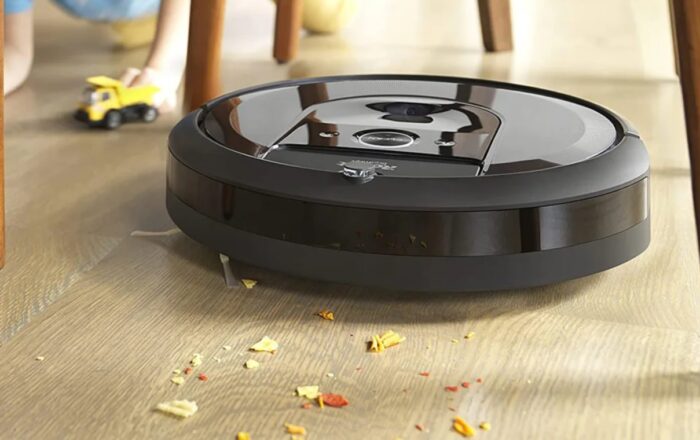 If we think of the top inventions that had a positive impact on human society and our quality of life most lists would contain things like the printing press, the wheel, or the computer. One invention that should be on everyone’s list but is easy to overlook is – the washing machine. Throughout history
  The Supreme Court (SCOTUS) is hearing a case that will have profound effects on social media – is Google liable for a terrorist killing? The family of Nohemi Gonzalez is suing Google, because she was shot by an Islamic terrorist in 2015 and the family alleges this act was abetted by Google recommending videos encouraging such acts. Google argues it is protected by Section 230 of the Communications Decency Act of 1996.
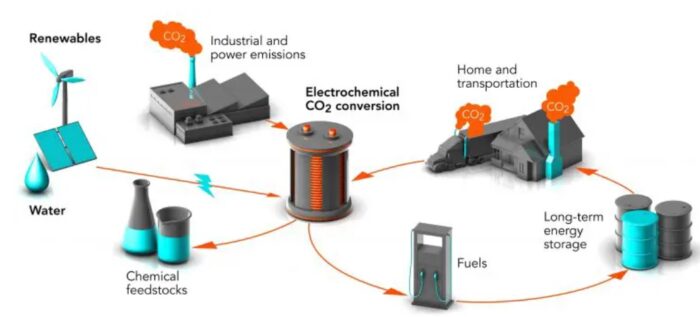 Big picture time –
  This is a cool material science development that nicely illustrates recent technological advancements. Researchers at Sandia National Laboratories
  There are a couple of recent stories that remind me that perhaps the most powerful thing in the world is political will. Often politicians and motivational speakers will say something along the lines of, “We can do anything, if we put our minds to it.” While this sounds like feel-good pablum, I think there is some truth to it (with a bunch of caveats regarding “anything”). We (collectively) have a great deal of ingenuity, technological savvy, institutions and methods of change, and resources. What we often lack is collective will.
 As I have discussed numerous times on this blog, our brains did not evolve to be optimal precise perceivers and processors of information.
  Last Thursday SpaceX
 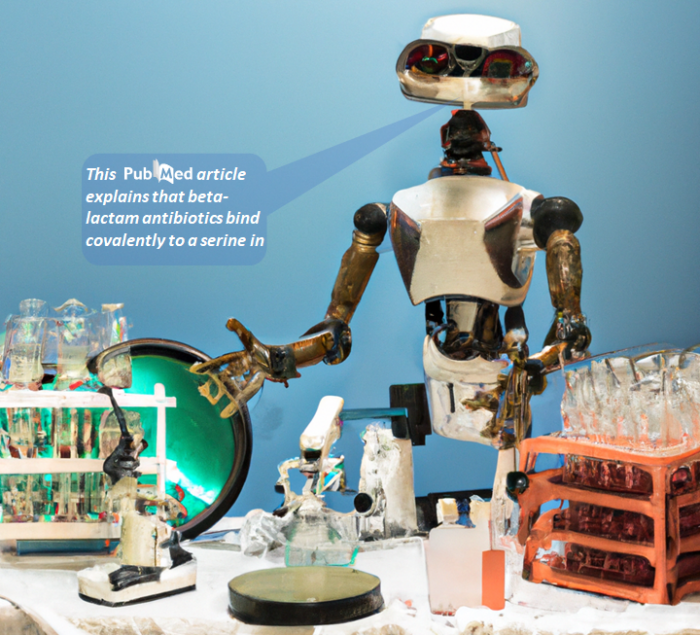 The emergence of several AI applications for public use, such as Dalle-2, Midjourney, and ChatGPT, had made AI one of the biggest science news items of the past year. I have written about it here extensively myself, and have been using these applications extensively to get a feel for what they can, and cannot, do. The capability of these systems, however, is a rapidly moving target.