Jan 22 2021
Q Shows How Pernicious Conspiracy Theories Are
 In the Hitchhiker’s Guide to the Galaxy series, in the Restaurant at the End of the Universe, we find faithful adherents who have been waiting literally to the end of time for the return of their prophet. Now that’s dedication – but more on point, that is some extreme motivated reasoning. It turns out, the prophet does return to usher in a new age of utopia, literally with 1 second left to the universe.
While this is humorous fiction, it does highlight a reality of human psychology. Over the centuries there have been many doomsday or other cults who instilled their followers with the firm belief that something dramatic would happen at a specific time. This could be the second coming, the apocalypse, the rapture, or beaming onboard alien spaceships. The point is that something undeniably huge was supposed to happen, something you cannot pretend did happen when it didn’t. Cult followers who likely gave up their lives, all their worldly possessions, their relationships outside the cult, and often their reputations – all for that one glorious event – then have to face the reality that it did not happen. Often the cult leader will say something along the lines of, “Oops, I forgot to carry the 2, the world will end next Tuesday. But this is only a temporary reprieve, and does not change the fact that the leader was wrong, and can no longer claim infallibility.
When smacked in the face with undeniable reality, what do most people in these extreme situations do? Our initial instinct (probably from imagining ourselves in that situation) is that, as painful as it may be, reality will finally settle and they will have to admit the whole thing was a scam. But of course that is not what typically happens. Most people in that situation double down, dedicate themselves even more fanatically to the cult’s core beliefs, and go on a recruiting drive. Psychologically it is clear why they might do this – the fantasy is easier to deal with than the harsh reality. What really surprises people is the nimbleness of the mental gymnastics necessary to maintain false belief directly in the strong headwinds of reality. This is where motivated reasoning comes in.
We are now witnessing this moment of reckoning with another cult – Q-anon. Make no mistake, this is a conspiracy theory based cult. Believers in Q have been lead to believe absurd things, the core being that the world is being run by a ring of Satan-worshiping pedophiles (we known them as Democrats). Perhaps even more improbable is the claim that Trump is secretly a genius who has been tirelessly working to save the world. Everything that has happened over the last four years, from the Mueller investigation to the impeachment, was a false flag hiding Trump’s true agenda. And like the Cylons – Trump had a plan, even if we did not know exactly what it was.
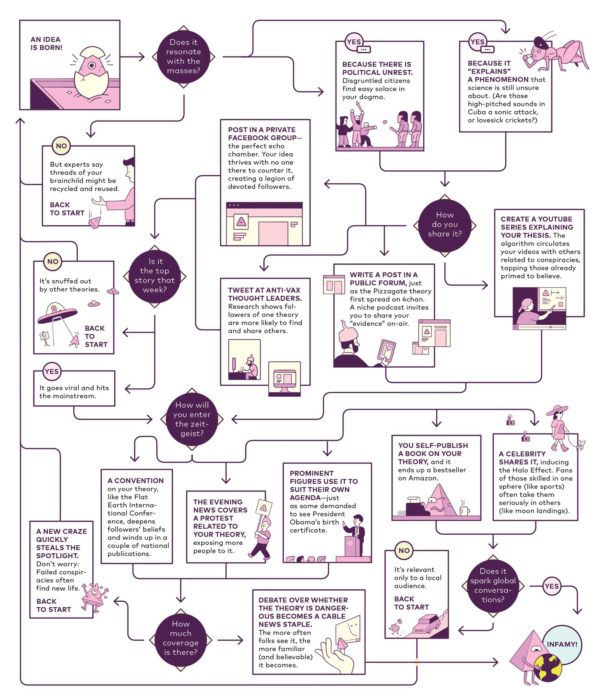 In 2019 PopSci published a flow chart they called “
 I previously wrote that the flat Earth movement is the mother of all conspiracies – it essentially is the ultimate conspiracy in that, if you believe that the world is actually flat then you also have to believe that there has been a massive conspiracy involving millions of people all of the world over centuries. If “they” can lie to us about the shape of the world, then they can lie to us about anything. Once you have been convinced that the spherical nature of the Earth is a grand conspiracy, then you can believe anything. Facts, expertise, authority all cease to exist. And that, I think, is the point. That is the appeal of flat Eartherism – it gives you permission to believe anything you want, to reject any claim, any fact, out of hand. You have the freedom to construct reality the way you wish, and can dispense with the tedious part of having to deal with actual reality.

 The details of the conspiracy theory itself are not the most interesting thing about QAnon.
  Let me just start by saying – I don’t believe for a second that this one is real. I think it’s something between absurdist performance art, trolling, and marketing. But it does raise the question about the ultimate effects of such things, and therefore the ethics.
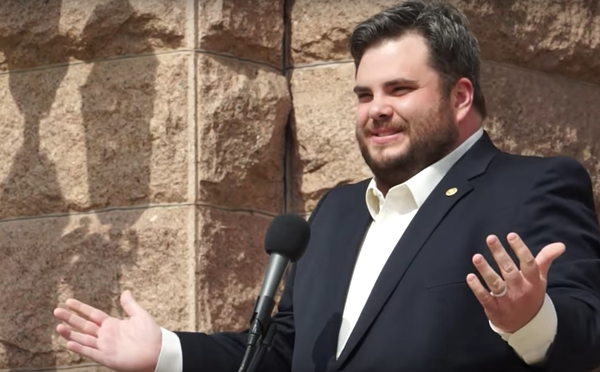 According to Texas House Representative Jonathan Stickland, Texas pediatricians should mind their own business when it comes to vaccines, which, by the way, are sorcery.
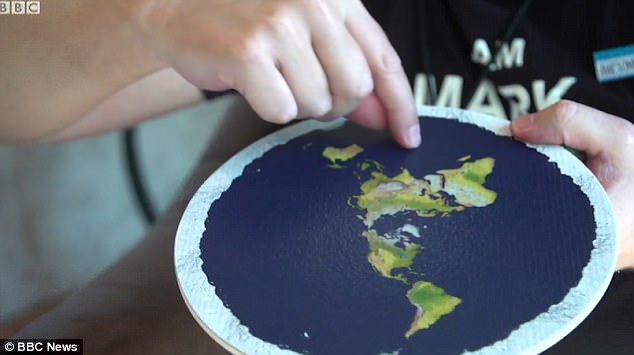 I am still stunned that there are seemingly average people walking around today with the firm belief that the world is actually flat. The numbers, while still small, are also surprisingly high. In a recent survey only 84% of those surveyed were confident that the Earth is “round”. The rest expressed some doubt, were confident the Earth is flat, or were unsure. For those 18-24 only 66% were confident the world is round. (The survey was presented as a dichotomy between round and flat – it’s hard to say if this had any effect on the responses, but we’ll put that aside.) Belief in a flat Earth correlated with being young, religious, and poor.