Jan 12 2023

Earth-Like Planets

Published by under Astronomy
Comments: 0

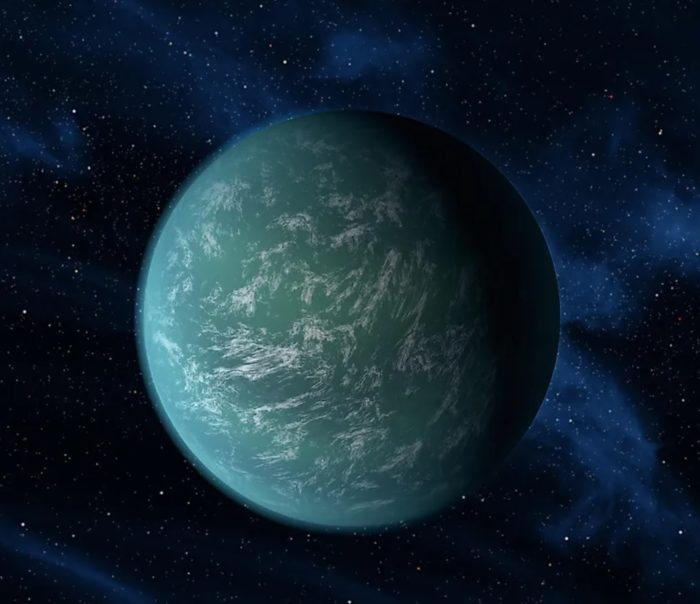
I’m still waiting. Since we developed the technology to detect exoplanets – planets orbiting other stars – I have been tracking those exoplanets that are the most Earth-like. That term, “Earth-like”, is used quite a bit in science news reporting about exoplanets, but very loosely, in my opinion. I’m still waiting for an exoplanet discovery that is fully Earth-like.

This happened again just recently with the discovery of a second planet in the TOI 700 system that is “Earth-sized” (that’s more accurate than saying “Earth-like”). Unfortunately, TOI 700 is a red dwarf, which means the two Earth-sized planets technically in their habitable zone are also likely tidally locked. Further, red dwarfs are unstable compared to orange or yellow stars and may strip the atmospheres from any planets close enough to be in the habitable zone.

Before I review the best candidates – what makes an exoplanet “Earth-like”. The two criteria that seemed to be used by most reporting is that they are small rocky planets in their generously defined habitable zone. Often the term is applied to so-called “super-Earths” which are more massive than Earth but less massive than ice giants – basically anywhere between Earth and Neptune. It seems astronomers agree on an upper limit of mass of 10 Earth masses, but disagree on the lower limit (anywhere from >1 to 5). They should just pick a number. I think something like 2 Earth masses is reasonable, but perhaps it’s better to use surface gravity. We can use the formula a=GM/R^2 to determine surface gravity. So, for example (if I did the math right) a planet with 2 times Earth’s mass and 1.2 times the radius would have a surface gravity of 1.38 G. What about the lower limit? I would suggest somewhat larger than Mars – we could make an arbitrary cutoff of 0.5 G surface gravity.

The habitable zone is the distance from the parent star where it is possible to have liquid water on the surface. But there are lots of other variables here as well, mainly relating to the atmosphere. Venus, for example, is technically in our sun’s habitable zone, as is Mars, but neither are habitable. If Mars had more atmosphere and Venus less, however, they could have a survivable environment.

I think exoplanets around red dwarfs at this point need to not count as “Earth-like” even if size and temperature are in the range. They would have to be very close to their parent star, which means they are likely tidally locked (in itself not a deal-killer) and likely don’t have much of an atmosphere. There may be exceptions to this, and there are lots of red dwarfs so we may ultimately find some special planets around red dwarfs with life, but for now it is so unlikely they should simply not be on the list. Orange and yellow suns are the best candidates. Larger and brighter than yellow and the lifespan of the star becomes too short, but still may be a candidate with the right conditions for people to settle. Moons of gas giants are another possibility, but the variables get more complicated.

So to be truly Earth-like we would want a planet with a surface gravity somewhere between 0.5 and 1.3 that of Earth, that is small and rocky, and that orbits an orange to yellow star in the habitable zone. But there are other things that can go wrong with any candidate world. We also need to consider what question, exactly, we are asking. Are we interested in worlds we could one day settle? That would mean they also need to be very close, within 20 light years or so. Are we looking for a world that is already harboring life, and how much time would we want for that life to have had to evolve? This is important if we are looking for technological civilizations.

Here is a list of the ten most Earth-like exoplanets discovered so far. None really meet my criteria. Most orbit red dwarfs.  Some are super-Earths.

It’s too early to be discouraged, however. Some of our planet-finding techniques favor larger planets, or ones very close to their host stars. It is therefore harder and takes longer to discover small rocky worlds at Earth like distance from their stars. Astronomers estimate there are 300 million to 40 billion Earth-like planets in the Milky way. That is still a huge variance, but taking an average figure, that’s a lot. That number will be refined as we search more stellar systems for their planets. There are about 100 billion stars in the Milky way, but many of them are in multi-star systems. Astronomers estimate that 1 in 5 systems have at least one “Earth-like” planet, but again, I wonder what definition they are using. Most of these are likely red dwarfs (because most stars are red dwarfs).

Hopefully they will nail down these numbers with higher confidence in the near future. It would also be nice to complete a survey of all the closest stars to our system. Meanwhile I will keep tracking new discoveries.
 

Comments: 0

Jan 10 2023

AI Drug Development

As a science communicator with a skeptical brand, I often have to walk a fine line. New scientific and technological developments can be amazing, but they are often surrounded by hype. I want to encourage enthusiasm for science, and I want to share the amazement and joy I experience following the latest discoveries. But it is very important to separate hype from reality, to temper our enthusiasm with realism, and to not get ahead of the science. It can be a very narrowly calibrated sweet-spot, one I have to consciously pay attention to.

I have found it particularly challenging to hit this sweet spot with artificial intelligence (AI), especially recently. The past few years in particular have seen some amazing advances in AI applications, and in 2022, applications like DALLE-2, Midjourney, and ChatGPT showcased the power and disruptive potential of AI to the public. It’s hard to oversell how powerful these narrow AI applications can be, but at the same time it is easy to overhype them in other ways. I think it often comes down to this – people generally (even experts, historically) underestimate the potential of narrow AI (AI applications that have a specific function and are not conscious or have general intelligence). At the same time they tend to overestimate how soon we will see general AI, or they extrapolate linearly current AI advances into the future.

For example, with applications like Midjourney and ChatGPT, how far will applications like these go with extrapolations of current technology? They certainly will be better in 5 and 10 years, but will they transform into something truly creative? And does that even matter? Will these applications run into limits, or will they advance to be indistinguishable from human creators?

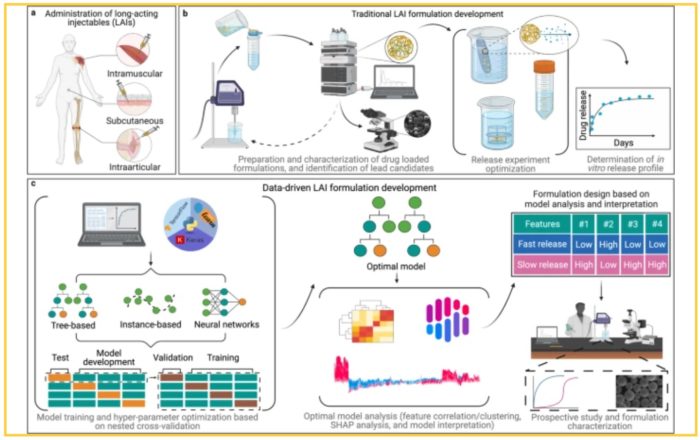
Meanwhile, programmers continue to show off the power and potential of current narrow AI technology, fueled by massive data sets and ever more powerful computers. Perhaps the most transformational applications are those running in the background of public consciousness, working to accelerate research and technological development. One area where AI is becoming particularly powerful is drug development.

Continue Reading »

Comments: 0

Jan 09 2023

Avatar Tropes

The original Avatar movie came out in 2009, 13 years ago. Its budget was 240 million and it grossed nearly 3 billion dollars. So of course there was going to be a sequel. It’s just surprising that it took 13 years.
Also a little surprising, and disappointing, is how poorly written Avatar: The Way of the Water was. The movie was visually stunning, as expected, and some aspects of watching the movie were enjoyable. Most of the future technology was also pretty good. I loved the spaceships the humans used to get to Pandora, the robots and exoskeletons were also impressive. The cloning technology was an obvious follow up to the Avatar technology of the first movie, and also a clever plot device, allowing the return of previously killed antagonists.

But the writing was just horrific. It’s not as if Cameron did not have 13 years to hire the best writers and tweak the hell out of the script. It’s not as if he did not have a virtually unlimited budget given the profitability of the franchise. I have two major hypotheses as to why the writing was so bad, and they are not mutually exclusive.

The first is simply a lack of imagination. We are living, in many ways, during the golden age of television and cinema, and not just because of big budgets and advanced technology. We have lots of choices, and some of those choices are stellar. There are plenty of examples of excellent writing, and they have set the bar extremely high. I definitely think this has lowered my tolerance for mediocre writing. Formulaic scripts, predictable plots, and sluggish pacing are just not acceptable anymore. The art of great storytelling has evolved to a high level, and to some extent the industry is now a victim of its own success.

Continue Reading »

Comments: 0

Jan 06 2023

Brain Uses Hyperbolic Geometry

The mammalian brain is an amazing information processor. Millions of years of evolutionary tinkering has produced network structures that are fast, efficient, and capable of extreme complexity. Neuroscientists are trying to understand that structure as much as possible, which is understandably complicated. But progress is steady.
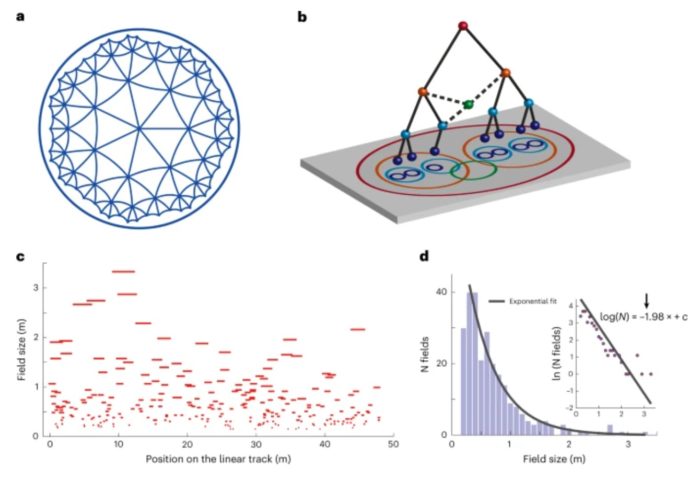
A recent study illustrates how complex this research can get. The researchers were looking at the geometry of neuron activation in the part of the brain that remembers spatial information – the CA1 region of the hippocampus. This is the part of the brain that has place neurons – those that are activated by being in a specific location. They wanted to know how networks of overlapping place neurons grow as rats explore their environment. What they found was not surprising given prior research, but is extremely interesting.

Psychologically we tend to have a linear bias in how we think of information. This extends to distances as well. It seems that we don’t deal easily (at least not intuitively) with geometric or logarithmic scales. But often information is geometric. When it comes to the brain, information and physical space are related because neural information is stored in the physical connection of neurons to each other. This allows neuroscientists to look at how brain networks “map” physically to their function.

In the present study the neuroscientists looked at the activity in place neurons as rats explored their environment. They found that rats had to spend a minimum amount of time in a location before a place neuron would become “assigned” to that location (become activated by that location). As rats spent more time in a location, gathering more information, the number of place neurons increased. However, this increase was not linear, it was hyperbolic. Hyperbolic refers to negatively curved space, like an hourglass with the starting point at the center.

Continue Reading »

Comments: 0

Jan 05 2023

Using Tumor Cells to Kill Tumors

We are living in the future, at least the future I imagined 30 years ago when I was beginning my medical career. At the time I learned about a lot of new technologies that were only in the proof-of-concept or research phase, but there was a lot of enthusiasm about their potential. As often happens, translating those technologies into therapeutics took longer than we hoped, but now that they are hitting they are more powerful than we dreamed.
We now live in a world where there are monoclonal antibody therapeutics for many diseases, changing almost every field of medicine. We are starting to do real gene therapy to cure or mitigate genetic diseases. We have harnessed immune cells in order to target them against cancers. We are also at the beginning of hacking the brain with electrical and magnetic interventions to treat pain, seizures, movement disorders, and other conditions. These are all powerful approaches that are transforming medicine. They are not just incremental advances, such as developing a new drug, but entirely new methods of treatment that open up new possibilities.

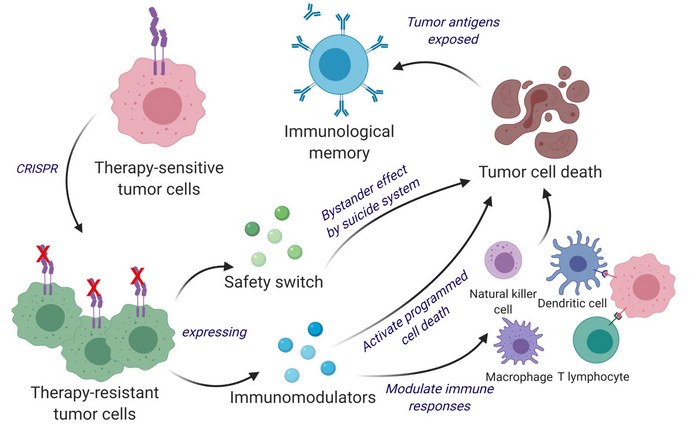
I now read news items on a regular basis about such new treatments. One that caught my eye recently was just published in Science: Translational Medicine – Bifunctional cancer cell–based vaccine concomitantly drives direct tumor killing and antitumor immunity. This is a study in mice, so there are years of research before this approach hits the clinic, but it shows the potential of our existing technology.

Continue Reading »

Comments: 0

Jan 03 2023

2015 to 2022 Eight Warmest Years on Record

Happy New Year to all my readers.

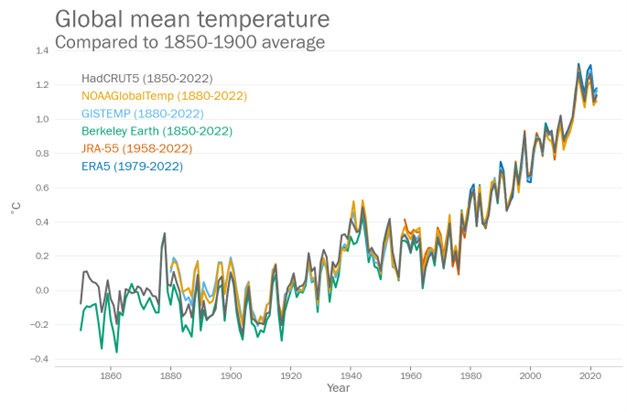
Early in each new year I like to see what the preliminary reports are for the climate over the past year. Final number crunching won’t be available for months, and it may take more than a year for the final tweaks to be reported and reviewed. But we do have a preliminary estimate of the temperature over the last year. The World Meteorological Organization reports:

The global average temperature in 2022 is estimated to be about 1.15 [1.02 to 1.28] °C above the 1850-1900 average. 2015 to 2022 are likely to be the eight warmest years on record. La Niña conditions have dominated since late 2020 and are expected to continue until the end of 2022. Continuing La Niña has kept global temperatures relatively «low» for the past two years – albeit higher than the last significant La Niña in 2011.

It looks like 2022 will be the fourth hottest year on record globally. Some specific locations had their warmest year, such as the UK and Spain (and perhaps most of Europe). As the WMO points out, we are in the middle of a La Niña cycle, which brings cooler temperatures globally. That is a short term fluctuation on the longer term trend. This also means that as we shift into an El Niño cycle we are likely to break new records.

I feel compelled to point all this out (as I am sure many scientists and science communicator will) because it is a critically important piece of information. But I also want to put it into a broader long term context. I have been engaged in skeptical activism now for 27 years, and followed many skeptical topics for longer than that. There is one extremely important pattern that emerges when you cover a topic for a long time – scientifically valid concepts tend to not only accumulate evidence but the evidence gets better and builds on itself. Meanwhile, pseudosciences do not display this pattern. They tend to go around in circles with low quality evidence. You can see this pattern across multiple disciplines.

Continue Reading »

Comments: 0

Dec 23 2022

A Quick Review of Facilitated Communication

Facilitated communication (FC) is a technique that involves a facilitator supporting the hand or arm of a person with severe communication disabilities, such as autism or cerebral palsy, as they type on a keyboard or communicate through other means. The theory behind FC is that the facilitator’s physical support allows the person to overcome any motor impairments and communicate more effectively. However, FC has been the subject of considerable controversy and skepticism within the scientific community.
One major issue with FC is that there is little scientific evidence to support its effectiveness. Despite being used for decades, FC has never been rigorously tested in controlled, double-blind studies. This is problematic because it is impossible to determine whether the messages being communicated through FC are actually coming from the person with disabilities or from the facilitator. Some researchers have suggested that FC may be susceptible to ideomotor effect, which is when unconscious movements or responses are influenced by a person’s thoughts or beliefs. This means that the facilitator’s own thoughts and beliefs could be influencing the messages that are being communicated.

Another issue with FC is that there have been numerous cases where the messages communicated through FC have been shown to be incorrect or misleading. For example, in one well-known case, a woman with severe communication disabilities was believed to have communicated through FC that she had been sexually abused as a child. However, subsequent investigations revealed that the allegations were not true and that the facilitator had likely influenced the woman’s responses.

Given these concerns, it is important to be cautious about the validity of FC as a means of communication. While it may be tempting to believe that FC can provide a way for people with severe communication disabilities to express themselves, the lack of scientific evidence and the potential for misleading or false messages make it difficult to rely on FC as a reliable source of information. Instead, it may be more productive to focus on other, more established communication methods, such as augmentative and alternative communication (AAC) devices or sign language.

In conclusion, while FC may be a well-intentioned approach to helping people with severe communication disabilities communicate, the lack of scientific evidence and the potential for misleading or false messages make it difficult to rely on as a reliable source of information. Until there is more rigorous scientific evidence to support the effectiveness of FC, it is important to approach it with skepticism and consider alternative methods for communication.

Now…

Continue Reading »

Comments: 0

Dec 22 2022

Can Misinformation Cause Cancer?

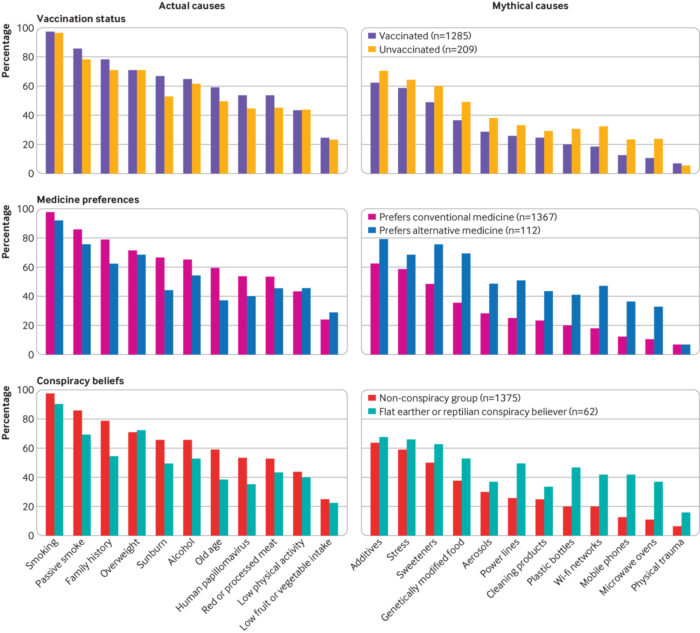
What are the known factors that increase the risk of getting cancer? Most people know about smoking, but can probably only guess at other factors, and are likely to endorse things that do not contribute to cancer risk. The known contributors to cancer risk include: smoking, consuming alcohol, low levels of physical activity, getting sunburnt as a child, family history of cancer, HPV infection, and being overweight. But there are also a number of “mythic” causes that do not contribute to cancer risk but are widely believed to: artificial sweeteners or additives and genetically modified food; using microwave ovens, aerosol containers, mobile phones, and cleaning products; living near power lines and feeling stressed.

These are all lifestyle factors that people can influence by changing their behavior. Therefore there is a direct utility to informing the public about the true causes of cancer and identifying the factors that they should not worry about. I see the effects of misinformation and poor communication on a regular basis. Often my patients will express to me that they are highly motivated to get healthier by changing their lifestyle, and then they rattle off a list of things they are doing, most of which are useless or counterproductive. Forget all that – just stop smoking and let’s talk about a healthy and practical exercise routine for you.

A recent study seeks to shed light on why there is so much misinformation about the modifiable causes of cancer. This is a complex question, and any one study is only going to look at a tiny slice of potential contributing factors. Also, this is the type of question that is hard to look at in a controlled experiment, so we will have to make due with observational data that can have a lot of confounding factors. The authors did a survey of several English and Spanish language forums, assessing knowledge of true and mythic causes of cancer, and correlating them with belief in conspiracies, preference for alternative medicine, and lack of COVID-19 vaccination. The results are pretty much what you would expect, but let’s dive into some details.

Continue Reading »

Comments: 0

Dec 20 2022

Best Science News 2022

It’s always fun and interesting to look back at the science news of the previous year, mainly because of how much of it I have forgotten. What makes a science news item noteworthy? Ultimately it’s fairly subjective, and we don’t yet have enough time to really see what the long term impact of any particular discovery or incremental advance was. So I am not going to give any ranked list, just reminisce about some of the cool science and technology new from the past year, in no particular order. I encourage you to extend the discussion to the comments – let me know what you though had or will have the most impact from the past year.
Fusion

I have to start with the fusion breakthrough, mainly because it is the most recent in my memory and I suspect it will top a lot of lists. The National Ignition Facility managed to achieve what they call “ignition” by producing fusion that created more energy than the energy put into the fuel. This is clearly a milestone. However, this particular setup, referred to as inertial confinement, which uses 192 high power lasers to implode a container which has the fuel, is likely a dead end when it comes to commercial energy production. It was never really designed to be that, just an experiment in fusion. I doubt this will be the method we ultimately use for commercial fusion, which I also predict is still many decades away. We will see in a generation how this news is looked back upon, if at all.

Space

This was a good year for space exploration. The successful launch of Artemis I marks the beginning of our return to the moon. The SLS rocket worked, and it’s more powerful than even the Atlas V. It carried the Orion capsule past the moon and back again, successfully returning to the Earth. Returning to the moon now seems inevitable. Artemis II will launch in 2024 and carry people to the moon but not land. Artemis III will land people on the moon, in 2025 or 2026. It’s going to be exciting to watch.

The other big space news, of course, was the James Webb space telescope (JWST), which is already sending back mind-blowing pictures of the universe. We are just at the beginning of its career, which will likely last 20 years. Can’t wait to see what else it sends us.

AI Continue Reading »

Comments: 0

Dec 13 2022

Genetically Engineering Sex Selection

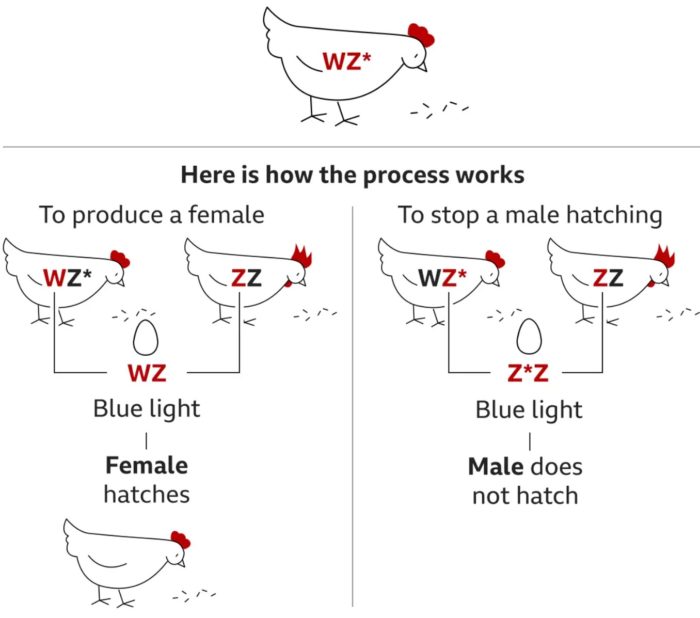
I wrote one year ago about a potential technique to create offspring in animals used for research or food of just one sex. For example, the chicken industry culls several billion male chicks each year because they have no commercial value. They don’t lay eggs and they are not optimal for growing for meat. Now Israeli researchers announce they have developed a second entirely different method of sex selection in chicks.

Sex selection in animals can be extremely useful, to avoid unnecessary culling and also to increase efficiency. Often research requires either all male or all female animals of a specific genetic strain, and so those in the litter of the unwanted sex are simply culled. Of course the chicken industry dwarfs this practice with billions culled each year. The technique described a year ago involves inserting a CRISPR kill-switch into the DNA of the parent animals. Half of the kill switch is implanted in the male and half in the female. If the two halves come together in the offspring, then the embryo never develops beyond the 16-32 cell stage. For a chicken, the egg will never hatch.

For mammals, like mice and rats, females have XX chromosomes while males have XY. The female half of the kill switch is inserted into both X chromosomes of the mother, while the other half is inserted in the X chromosome of the father if you want all male offspring, or the Y chromosome if you want all female offspring. Birds are the opposite – the females have WZ chromosomes, while males have ZZ, but the principle is the same.

The Israeli team has developed a different method. They only have to genetically engineer the female parent, inserting a gene for a protein on either the W or Z chromosome for chickens. For female-only offspring they insert it on the Z chromosome of the mother, so that only the ZZ males will carry it. The resulting eggs are then exposed to a blue light for several hours, which activates the protein and prevents further development. Therefore, only the female eggs hatch. Also, the resulting females are not genetically altered in any way, since the gene was only inserted into the male chromosome. The researchers still need to publish their results so that they can be independently verified. The technique should work, but there are details we would want to see, such as the success rate. Even if a small percentage of males survive, that could still be a huge problem for the production process.

Continue Reading »

Comments: 0

« Prev - Next »