May 22 2025
Preserving Food
 About 30-40% of the produce we grow ends up wasted. This is a massive inefficiency in the food system. It occurs at every level, from the farm to the end user, and for a variety of reasons. This translates to enough food worldwide to feed 1.6 billion people. We also have to consider the energy that goes into growing, transporting, and disposing of this wasted food. Not all uneaten food winds up in landfills. About 30% of the food fed to animals is food waste. Some food waste ends up in compost which is used as fertilizer. This still is inefficient, but at least it is recycled.
There is a huge opportunity for increased efficiency here, one that can save money, reduce energy demand, reduce the carbon footprint of our food infrastructure, and reduce the land necessary to meet our nutritional needs. Increased efficiency will be critical as our populations grows (it is estimated to likely peak at about 10 billion people). But there is no one cause of food waste, and therefore there is no one solution. It will take a concerted effort in many areas to minimize food waste, and make the best use of the food that does not get eaten by people.
One method is to slow food spoilage. The longer food lasts after it has been harvested, the less likely it is to be wasted due to spoilage. Delaying spoilage also makes it easier to get food from the farm to the consumer, because there is more time for transport. And delayed spoilage, if sufficient, may reduce dependence on the cold chain – an expensive and energy dense process by which food must be maintained in refrigerated conditions for its entire life from the farm until used by the consumer.
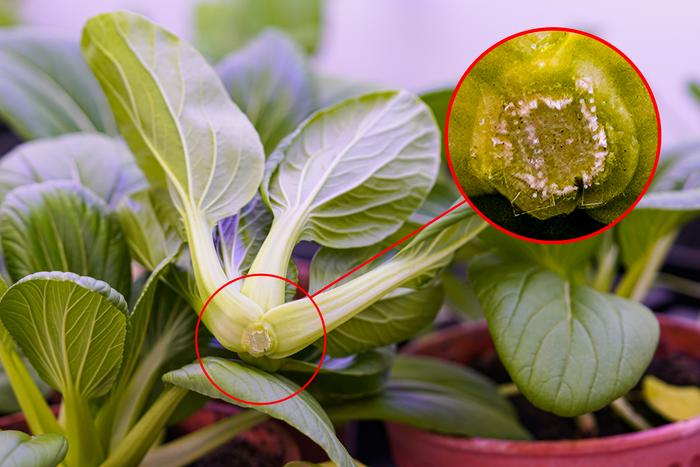
A recent study explores one method for delaying spoilage – injecting small amounts of melatonin into plants through silk microneedles. The melatonin regulates the plants stress response and slows spoilage. In this study they looked at pak choy. The treated plants had a shelf-life (time in which it can be sold) from 4 days to 8 without refrigeration, and with refrigeration shelf life was extended from 15 days to 25. This was a lab proof-of-concept, and so the process would need to be industrialized and made cost-effective enough to be viable. It also would not necessarily be needed in every situation, but could be used in areas with a cold chain is very difficult or expensive, or transportation is slow. This could therefore not only reduce waste, but improve food availability in challenging areas.
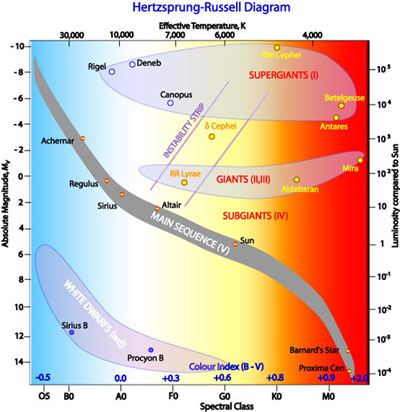 Let’s talk about climate change and life on Earth. Not anthropogenic climate change – but long term natural changes in the Earth’s environment due to stellar evolution. Eventually, as our sun burns through its fuel, it will go through changes. It will begin to grow, becoming a red giant that will engulf and incinerate the Earth. But long before Earth is a cinder, it will become uninhabitable, a dry hot wasteland. When and how will this happen, and is there anything we or future occupants of Earth can do about it?
 What the true impact of artificial intelligence (AI) is and soon will be remains a point of contention. Even among scientifically literate skeptics people tend to fall into decidedly different narratives. Also, when being interviewed I can almost guarantee now that I will be asked what I think about the impact of AI – will it help, will it hurt, is it real, is it a sham? The reason I think there is so much disagreement is because all of these things are true at the same time. Different attitudes toward AI are partly due to confirmation bias. Once you have an AI narrative, you can easily find support for that narrative. But also I think part of the reason is that what you see depends on where you look.
 My last post was about
 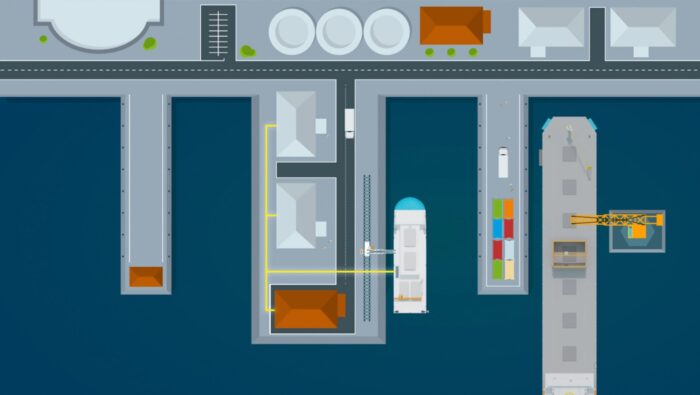 This is an intriguing idea, and one that I can see becoming critical over the next few decades, or never manifesting – developing a fleet of floating nuclear power plants. One company,
 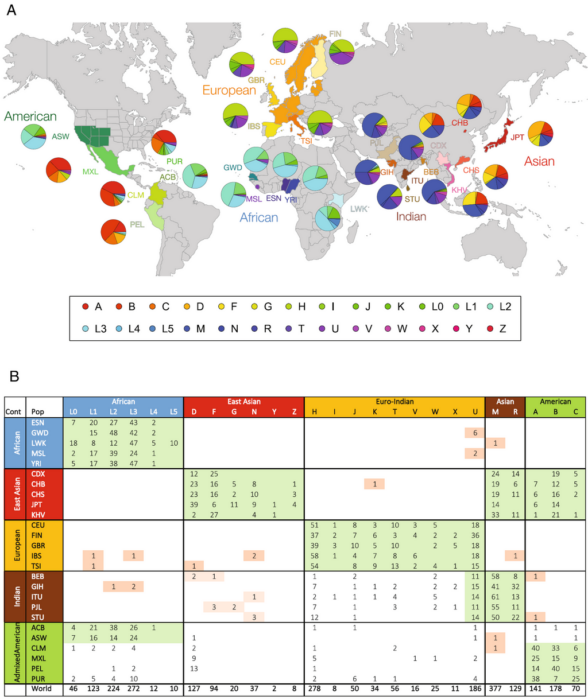 As a scientific concept – does race exist? Is it a useful construct, or is it more misleading than useful? I