Jul 30 2019
The Challenge of Deepfakes
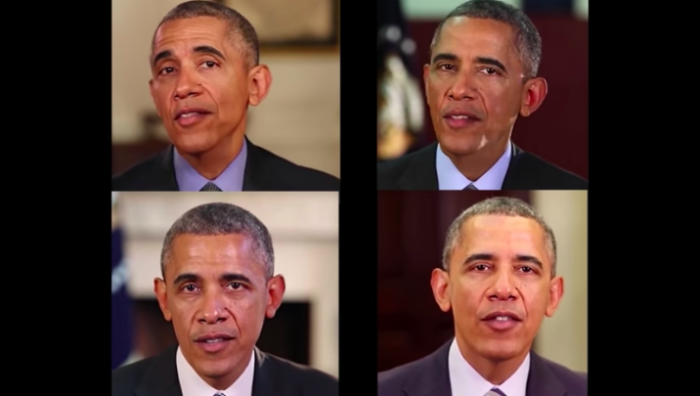 You have probably heard of deepfakes by now – convincing video manipulation that is improving rapidly, getting better and easier. Right now you can often tell when a video has been manipulated. The human eye is very sensitive to movement, facial expressions, and other subtle cues. But the best examples are getting more difficult, and experts predict there will be deepfakes undetectable by most people within a year.
How will this affect the world? Most reports I read simply say that people won’t be able to trust videos anymore (we already can’t trust photos). But that doesn’t capture the situation. People knowing that video can be manipulated won’t really solve the problem.
The problem is psychology – people can be primed and manipulated subconsciously. Let’s say, for example, that you see a video of a famous person committing a horrible crime, or saying something terrible. Even if you know such videos can be faked, or hear the claim that that video was fake, the images may still have an emotional effect. It becomes part of your subconscious memory memory of that person.
Human memory also will contribute to this effect. We are better at remembering claims than remembering where we heard them (source amnesia) or if they are true or not (truth status amnesia). Seeing a dramatic video of a person doing something horrible will stick with you and will be much more vivid than later information about forensic examination of the video.
 Weird things happen to most people at some point in their lives, and if not to you directly than probably to someone you know. But what is the ultimate meaning to such coincidences? They may seem amazing, and psychologically scream out for an equally amazing explanation.
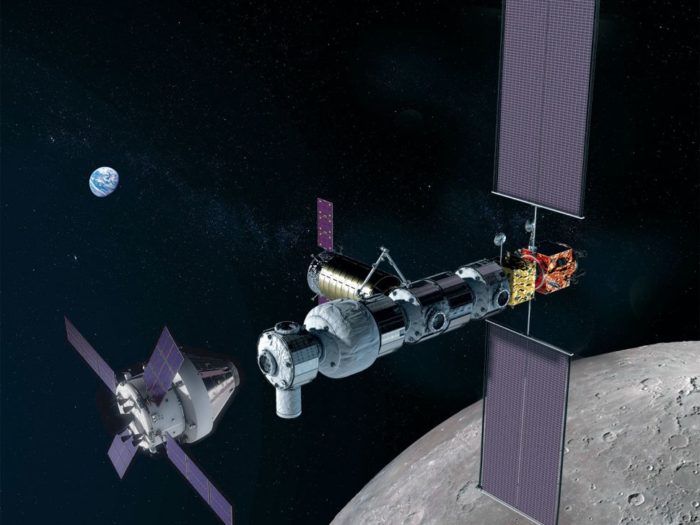 With the 50th anniversary of Apollo 11 landing on the moon there has been a lot of talk about NASA’s plans to return. Each new dribble of news can be exciting, but a coherent plan remains elusive. Somewhat of a plan is starting to take shape, however.
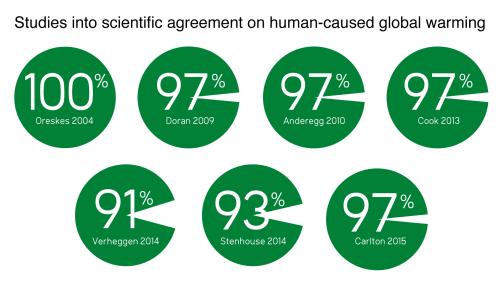 The degree to which there is a scientific consensus in anthropogenic global warming (AGW) remains politically controversial, even though it is not scientifically controversial. Denial of the consensus remains a cornerstone of AGW denial, so let’s examine the science and the arguments used to deny it.
 Let me just start by saying – I don’t believe for a second that this one is real. I think it’s something between absurdist performance art, trolling, and marketing. But it does raise the question about the ultimate effects of such things, and therefore the ethics.
 This is another entry in my informal series on interfacing machines and the human brain. Yesterday I wrote about Neuralink, which is a project to develop electrodes to interface with the brain itself. Today I write about another incremental advance – in the July 17th issue of Science Robotics, researchers published, “
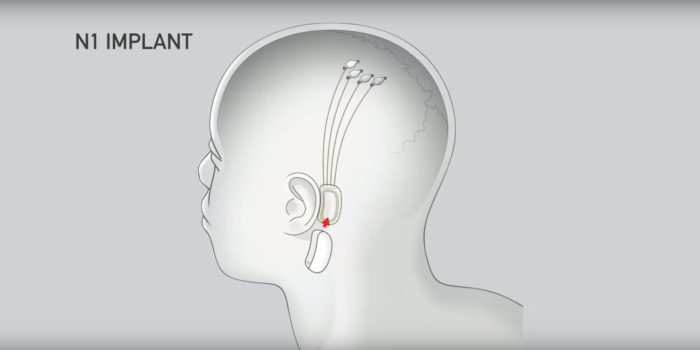 I’m still trying to figure out if Elon Musk is a mad genius or a supervillain. Perhaps that’s a false dichotomy. Seriously, I do like his approach – he has billions of dollars laying around, so he decides that we need some specific technology in order to build the future, and he builds a company dedicated to developing that technology. Wherever he sees holes, he tries to fill them.
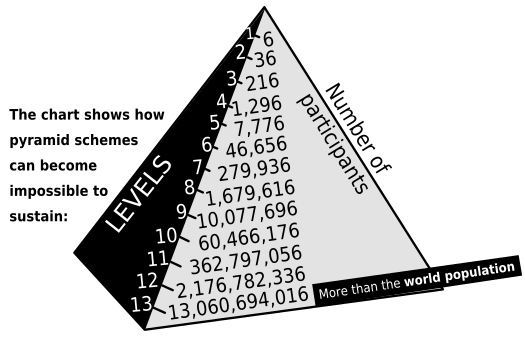 Multi-Level Marketing (MLM) companies are inherently, in my opinion, exploitative. The MLM model is that the sales force is hierarchical – you are hired by someone who takes a cut of what you earn. You, in turn, can make money by recruiting your own sellers, who each pay you a cut of what they earn, and what everyone below them earns. In other words – it’s a pyramid scheme.
 A
A